Some links on this page are affiliate links. If you buy through them we may earn a commission at no extra cost to you. How we make money.
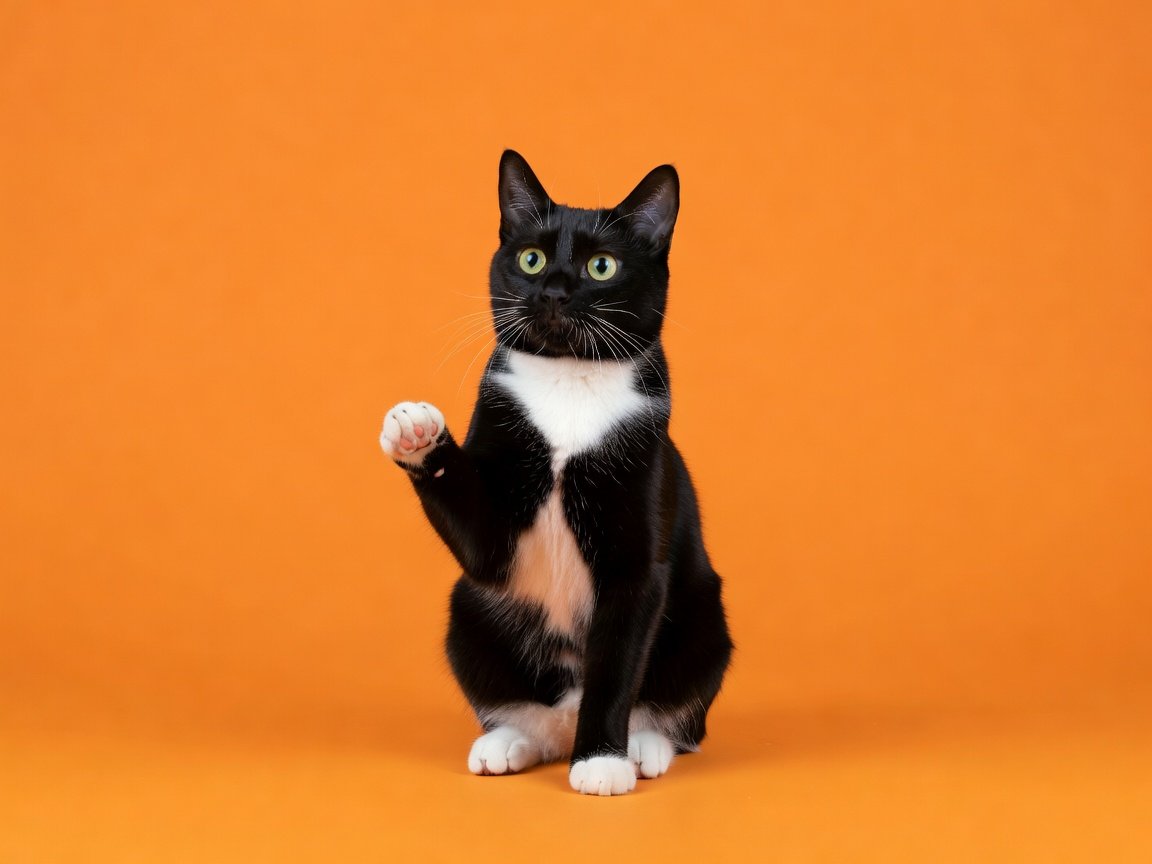
Cat body language is read as a combination of signals: tail, ears, eyes, whiskers, posture and sound, interpreted in context. An upright tail, forward ears and slow blinks suggest comfort, while flattened ears, a puffed or lashing tail, wide pupils and a low, tense body suggest fear or irritation.
Key takeaways
- Read the whole cat, including tail, ears, eyes, whiskers, posture and context, rather than relying on a single signal.
- An upright tail, forward ears, soft eyes and slow blinks generally show comfort, while flattened ears, a puffed tail and wide pupils point to fear or irritation.
- A visible belly means trust, but not always a request to be touched, so watch for warning signs before reaching in.
- Stress often shows as hiding, appetite changes, over-grooming or litter box problems, and sudden behavior changes should be checked by a veterinarian.
- Straining to urinate, open-mouth breathing or collapse are emergencies that need immediate veterinary care.
Your cat is talking to you all day, just not with words. A tail that curls at the tip, ears that rotate like radar dishes, a slow blink from across the room: each is a message, and most of them are easy to read once you know what to look for.
The trick is that no single signal means the same thing every time. A twitching tail can mean excitement or annoyance, and a belly on display can be trust or a trap.
This guide breaks down the tail, ears, eyes, whiskers and posture, then covers the stress signals that deserve attention and the ones that warrant a call to your veterinarian.
Read the Whole Cat, Not One Signal
The biggest mistake owners make with cat body language is fixating on a single feature. A tail flick on its own is a clue, not a verdict. The real message comes from the full picture: the head, eyes, ears, whiskers, tail, posture, and any sound that goes with them.
Take a cat greeting you at the front door. Tail straight up, ears forward, body loose, maybe a little chirp. That is a friendly hello. Now picture the same upright tail on a cat standing stiff-legged, staring at a neighbor's cat through the window, with ears rotated to the side. Same tail, very different mood.
A useful habit is to ask three questions before you decide what your cat means:
- What is happening around the cat? A vacuum cleaner, a new visitor, a bird outside the window and a dinner bowl all call for different readings.
- What is the whole body doing? Is it loose and relaxed, tense and compact, or stretched out and alert?
- What is normal for this cat? Some cats are naturally vocal, some have a perpetually twitchy tail tip, and some are shy but perfectly content.
Think in moods, not words
It helps to sort what you see into broad moods rather than trying to translate every move:
- Relaxed and content: loose body, soft eyes, ears in a neutral position, tail low or gently upright.
- Alert and curious: forward ears, fanned whiskers, wide eyes, body leaning toward the thing of interest.
- Irritated or overstimulated: lashing tail, ears turning sideways or back, skin rippling along the back.
- Fearful or defensive: crouched or arched body, flattened ears, wide pupils, tucked or puffed tail, possibly hissing.
Fear and aggression often look similar, because a frightened cat may lash out when it feels cornered. If a cat looks like it is trying to get small or get away, treat it as scared first, even if it swats.
Finally, remember that cats are good at hiding discomfort. A cat that suddenly changes its usual body language, such as stopping its greeting ritual or holding its tail oddly, may be telling you something is physically wrong, not just emotionally off.
Tail Positions and What They Mean
The tail is the easiest part of your cat to read from across the room, and it changes constantly with mood. Here are the positions you will see most often.
Upright, sometimes with a curled tip
A tail held high, often with a slight hook at the end like a question mark, is a classic friendly greeting. Cats use it when approaching people or cats they trust. If the tail also quivers gently, it usually signals excitement or strong affection, such as when you walk in with dinner.
Relaxed and low
A tail resting in a natural curve or trailing loosely behind a walking cat usually means a neutral, calm mood. A cat lounging with the tail loosely tucked around its body is typically comfortable.
Wrapped around you or another cat
Cats that twine their tails around your leg or another cat's tail are generally showing closeness and bonding. Many people see it as the feline version of a hug.
Tucked under the body
A tail pulled tight against the belly or between the legs suggests fear, anxiety or submission. A cat carrying its tail this way, with a low crouch, wants the situation to end.
Puffed up like a bottle brush
When the fur on the tail (and often the back) stands on end, your cat is highly aroused, usually from fear, though sometimes from intense play. The cat is making itself look bigger. Give it space and remove the trigger if you can.
Lashing or thumping
A slow sway can mean focused concentration, like a cat watching a bird. A fast, hard whipping or thumping tail is more often irritation or overstimulation. If you are petting your cat and the tail starts swishing, that is your cue to stop before a nip or swat arrives.
The twitching tip
A small twitch at the very tip can mean mild annoyance, mental conflict or intense interest. Look at the ears and eyes to figure out which.
A practical example
Say your cat is on the couch while you pet it. The tail is lying still, then the tip starts to flick, then the whole tail begins to thump. Most cats give a warning like this well before they bite. Pausing at the first flick teaches your cat that its signals work, which tends to build trust over time.
Ears and Whiskers: The Mood Dials
Cats have a lot of muscle control over their ears, and they move them independently. That makes ears one of the most informative parts of cat body language, especially when paired with the whiskers.
Ear positions
- Forward and upright: Your cat is interested, alert or in a good mood. This is the typical position during play or when greeting you.
- Swiveling: The cat is listening. Ears rotating toward different sounds mean it is scanning its environment, which is normal and not a sign of distress by itself.
- Sideways, often called airplane ears: This often signals irritation, uncertainty or being on edge. The cat is considering whether to stay or leave.
- Flattened back against the head: This points to fear or defensive aggression. Flattened ears protect them in a fight, so a cat holding them this way expects trouble.
- Slightly back but relaxed: During a good scratch or a nap, ears can drift back a little without any stress. Look at the rest of the face to confirm.
Whiskers
Whiskers are sensitive touch instruments, and their position reflects mood:
- Relaxed and slightly out to the sides: A calm, comfortable cat.
- Fanned forward: Curiosity, hunting focus or excitement, such as when investigating a toy or sniffing food.
- Pulled back against the cheeks: Fear, stress or defensiveness. A cat that is scared often draws the whiskers close to its face.
Never trim whiskers. They help cats judge spaces and sense their surroundings.
Small mouth and face clues
A few extra face signals add useful context:
- Lip licking or nose licking without food around can indicate nervousness.
- Yawning is often just tiredness, but cats also yawn when tense.
- Open mouth with a hiss or growl is a clear request for distance.
- Open-mouth breathing is different, and in cats it can be a medical concern, so see the emergency notes later in this article.
Putting it together
Imagine a cat at the vet's office. Ears sideways, whiskers pressed back, pupils wide and a low crouch: that cat is frightened, not stubborn. Covering the carrier with a towel and speaking quietly will usually help more than coaxing it out.
Eyes: Slow Blinks, Pupils and Stares
Cat eyes carry a surprising amount of emotional information, from affection to threat.
The slow blink
When a cat looks at you and slowly closes and opens its eyes, it is generally read as a relaxed, friendly signal, sometimes called a cat kiss. You can return it. Soften your face, look toward your cat, close your eyes slowly for a moment, then open them. Many owners find their cats respond with a slow blink of their own. It is a simple, free way to build trust, especially with shy or newly adopted cats.
Soft, half-closed eyes
Drowsy, half-lidded eyes in a loose-bodied cat usually mean contentment. This is common while kneading or being gently petted.
The hard stare
Wide, unblinking eyes locked on you or another animal can be a challenge or a sign of tension. Cats often avoid direct eye contact with strangers because staring feels confrontational to them. If you meet a new cat, look away, blink slowly and let it come to you.
Pupil size
Pupils change with light, so judge them in context.
- Dilated (large, round pupils): Often seen with excitement, play, fear or overstimulation. A cat crouching with wide pupils and twitching hindquarters before pouncing is likely in hunting mode. A cat with wide pupils, flattened ears and a tucked tail is scared.
- Narrow slits: Can reflect bright light, but may also show focused attention or tension, particularly in a stiff body.
Signs that warrant a vet check
Eyes can signal a medical problem as well as an emotional one:
- Squinting or holding one eye shut
- Redness, discharge or cloudiness
- A visible third eyelid (a membrane across part of the eye) that does not go away
- Pupils that look uneven in size
These signs can come from infections, injuries or illness, and uneven pupils in particular should be checked promptly. If your cat is squinting or the eye looks painful or injured, contact your veterinarian the same day rather than waiting to see if it passes.
A quick everyday test
When your cat watches you from across the room, check the eyes before anything else. Soft eyes and an occasional blink mean all is well. A fixed, wide stare combined with a stiff body means give it room.
Belly Exposure, Posture and Affection Signals
A cat flopping onto its back and showing its belly is one of the most misunderstood behaviors in cat body language.
What belly exposure usually means
The belly is a vulnerable area, so showing it generally indicates trust and comfort. A cat that rolls onto its back in the middle of the floor when you walk in, with soft eyes and a loose tail, is greeting you and feeling secure.
But it is not always an invitation to rub. Many cats love being near you with the belly exposed while disliking belly touches. Reaching in can trigger a fast grab with claws and teeth, which is a reflex rather than betrayal.
How to tell the difference
- Invitation: Slow rolling, relaxed paws, gentle eye contact, maybe a purr or chirp. Try a brief touch and watch the response.
- Warning: Tense body, tail thrashing, ears turning sideways, paws raised and ready. Leave the belly alone.
- Defensive roll: A cat cornered by a dog or a rough child may roll over to use all four paws and teeth. Wide pupils and flattened ears usually give it away.
When unsure, scratch the cheeks, chin or base of the ears, where most cats enjoy touch, and let the cat decide how far things go.
Other posture signals
- Loaf position: Paws tucked under the body suggests calm, though a tightly tucked loaf with tense eyes may mean the cat is on guard or not feeling well.
- Kneading: Pushing alternating paws into a soft surface is generally a sign of comfort, rooted in kittenhood.
- Head bunting and cheek rubbing: Cats leave scent from glands on their face, marking you as familiar and safe.
- Arched back with fur raised and body sideways: This is a defensive display meant to make the cat look larger.
- Crouched low with tail tucked: Fear. The cat wants to disappear.
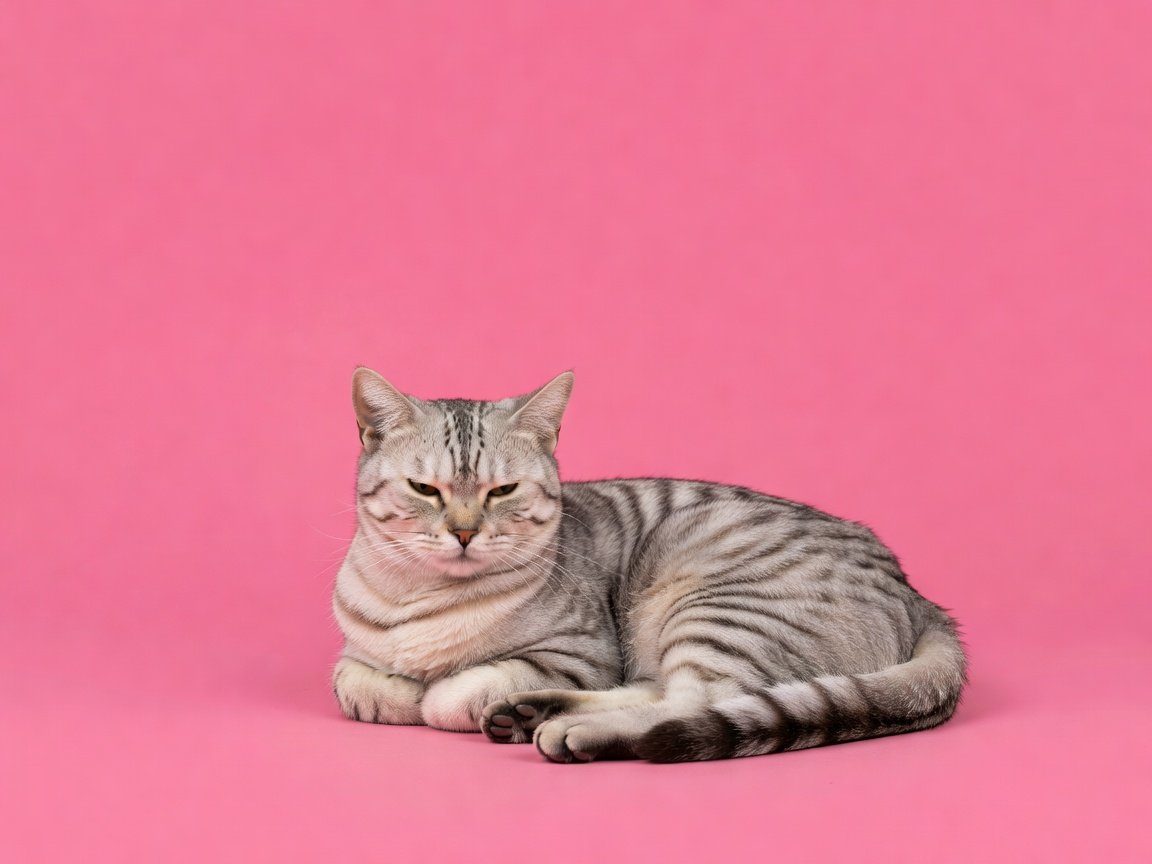
- Stretching out long and flat: Often relaxed, particularly when the cat chooses to nap in the open.
Respecting the response
If you stop at the first warning sign, your cat learns that you listen. Over time, many cats become more willing to be handled because they do not need to escalate.
Stress Signals and When to Call the Vet
Stress in cats is often quiet. Many cats do not yell about it. They hide, change habits and withdraw, so owners can miss the early signals.
Common stress signals
- Hiding more than usual or refusing to leave one room
- Crouching low with the tail tucked and ears flattened
- Dilated pupils in a normally calm situation
- Over-grooming, sometimes to the point of bald patches
- Eating less, or not eating at all
- Increased vocalizing, hissing or growling
- Urinating or defecating outside the litter box
- Sudden clinginess or sudden avoidance
Typical triggers include moves, new pets or people, a change in routine, construction noise, conflict between cats, or dirty litter boxes. Because cats rely heavily on scent and territory, even rearranging furniture can unsettle some of them.
Ways to help
- Provide a safe space. A quiet room or covered bed where the cat is never disturbed.
- Add vertical space and hiding spots. Cat trees and shelves help cats feel in control.
- Spread out resources. Provide separate food, water and litter boxes in multi-cat homes.
- Keep routines steady. Feed and play at consistent times.
- Consider calming aids. Some owners use a synthetic pheromone diffuser such as the Feliway Optimum Diffuser during changes. It may help some cats, though results vary.
- Clean accidents properly. If stress leads to litter box accidents, a pet odor remover like Live Pee Free Pet Odor Eliminator can help remove the smell that draws a cat back to the same spot.
Do not assume it is behavioral
Pain and illness commonly show up as behavior changes: sudden aggression, hiding, litter box avoidance or a different posture. A vet check should come first when a change appears abruptly. A veterinary discount plan such as the Pet Assure Veterinary Discount Plan may help make visits more manageable if you use a participating clinic, but check the details before you rely on it.
Emergencies
Contact an emergency veterinarian immediately if you see:
- Straining to urinate or producing little or no urine, especially in male cats, which can be life threatening
- Open-mouth breathing, labored breathing or blue-tinged gums
- Collapse, seizures or inability to stand
- Severe lethargy combined with hiding and refusal to eat
When in doubt, call your vet or an emergency clinic. It is always better to ask than to wait.
Helpful products to consider
Feliway Optimum Diffuser
Helpful pickA plug-in diffuser that releases a synthetic feline pheromone, often used to help cats feel more settled during changes like moving, new pets or visitors. It will not fix every stress problem, but it can be a reasonable part of a calmer home setup.
PROS
- Easy plug-in setup with no daily effort
- Commonly used during household changes
- Works quietly in the background
CONS
- Results vary from cat to cat
- Does not replace fixing the underlying stressor
- Refills need to be replaced over time
Live Pee Free Pet Odor Eliminator
Helpful pickA pet odor remover aimed at urine accidents on floors, bedding and upholstery. Stress can lead to litter box avoidance, and thorough cleaning helps stop a cat from returning to the same spot. Test on a hidden area of fabric first.
PROS
- Designed for pet urine odors
- Useful for cleaning after stress related accidents
- Can be used on several household surfaces
CONS
- Fabrics should be spot tested first
- Cleaning alone will not solve the cause of the accidents
Pet Assure Veterinary Discount Plan
Helpful pickA veterinary discount plan, not insurance, that can make it easier to book a checkup when your cat's behavior changes suddenly. Since hiding, aggression and litter box changes can signal pain or illness, quick vet visits matter. Check participating clinics near you first.
PROS
- Not insurance, so no claim forms to file
- May help make routine and sick visits more manageable
- Can be used for general wellness care
CONS
- Only works at participating veterinary practices
- Savings depend on the services you use
Frequently asked questions
What does it mean when a cat slow blinks at me?
A slow blink is generally considered a relaxed, friendly signal. Your cat is showing it feels comfortable around you. You can return it by softening your face and slowly closing and opening your eyes. Many cats respond in kind, which can help build trust.
Why does my cat show its belly and then bite when I touch it?
Belly exposure usually signals trust and comfort, not always a request for petting. The belly is sensitive, and many cats react with a reflex grab when touched. Watch for tail thrashing or tense paws, and stick to cheeks, chin and ears if your cat dislikes belly rubs.
What does a twitching or lashing cat tail mean?
It depends on the speed and context. A slow sway often means concentration, while a hard, fast lash or thump usually signals irritation or overstimulation. If it happens while you are petting your cat, stop and give it space before the situation escalates.
How can I tell if my cat is stressed?
Look for hiding, flattened ears, a tucked tail, wide pupils, reduced appetite, over-grooming, hissing or litter box accidents. Because illness and pain can look similar, see your veterinarian if the changes are sudden or last more than a day or two.
Why do cats puff up their tails?
A puffed tail, sometimes with raised fur along the back, is usually a fear or high arousal response. The cat is trying to look bigger. Calmly remove the trigger, avoid touching it, and let the cat settle in a quiet space.