Some links on this page are affiliate links. If you buy through them we may earn a commission at no extra cost to you. How we make money.
Cats knead because the motion is tied to nursing as kittens, when pressing on the mother's belly helped milk flow. Adult cats keep the habit as a sign of comfort and contentment. They also leave scent from glands in their paw pads, and they may be softening up a spot to rest.
Key takeaways
- Kneading is rooted in kittenhood, when pressing on the mother's belly helped milk flow, and many adult cats keep it as a comfort habit.
- Scent glands in the paw pads mean kneading also leaves your cat's scent on the surface, which can make a space feel familiar and safe.
- Most kneading is a sign of contentment, nesting, or stretching, and it is normal and healthy.
- Sudden, compulsive, or fabric-swallowing kneading, or kneading alongside illness or stress signs, is worth a call to your veterinarian.
- Trim claws, use a thick blanket on your lap, and offer a soft bed instead of punishing the behavior.
You are sitting on the couch, and your cat climbs into your lap, circles once, and starts pressing alternate paws into your thigh with a rhythm that would make a baker proud. Eyes half closed. Maybe a purr. Maybe a little drool.
This is kneading, often called making biscuits, and it is among the most common and most endearing cat behaviors. It is also one of the most misunderstood. Below, we break down the main reasons cats do it, what it means about their mood, when it can be a sign of something else, and how to handle the claws.
What Kneading Actually Looks Like
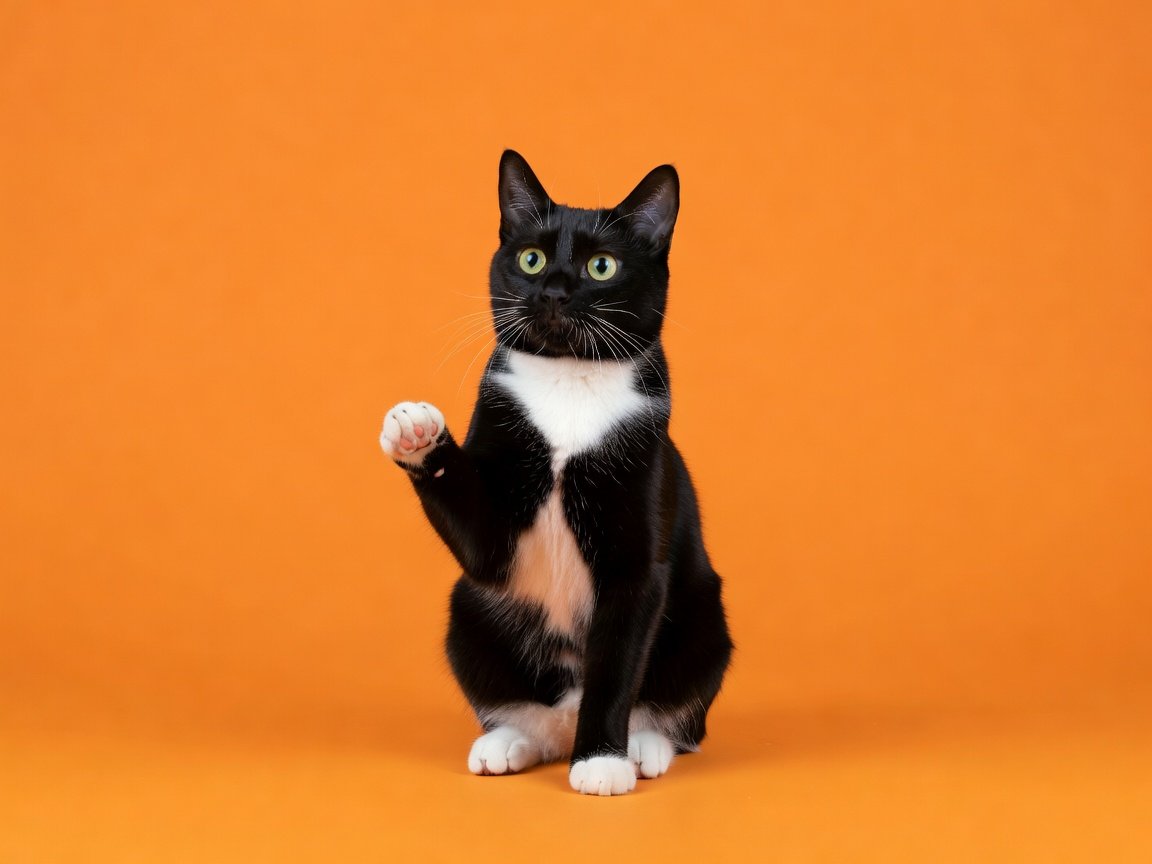
Kneading is the rhythmic pushing of a cat's front paws against a soft surface, one paw after the other, as if working dough. The toes often spread, and the claws may extend and retract with each press. Cats do it on blankets, pillows, fleece jackets, dog beds, and very often on their favorite humans.
No two cats knead exactly alike. Here are some common versions:
- The gentle presser: Slow, soft pushes with claws mostly sheathed, usually on a blanket.
- The enthusiastic digger: Deep, strong presses with claws out, which you notice quickly on bare legs.
- The drooler: Kneads with half-closed eyes, purring, and sometimes a little drool. This is often a sign of deep relaxation.
- The suckler: Kneads while sucking or chewing on a fabric corner, your sleeve, or even your hair.
- The back-leg kneader: Mostly paddles with the front paws, but some cats work all four feet.
Many cats follow a set routine. They knead, circle, knead a little more, and then drop into a loaf or curl up. That sequence is a clue to why they do it. Kneading is often a settling-in ritual, a bit like fluffing a pillow before sleep.
It is also worth knowing that kneading is not limited to house cats. Wild felines and big cats have been observed doing similar paw-pressing behavior, which suggests that it is deeply rooted in feline biology rather than something domestic cats picked up from us.
There is no single reason behind it. Most behaviorists point to a mix of early-life instinct, scent communication, comfort, and nesting. The rest of this article takes each in turn, because understanding which one is likely at work helps you read your cat's mood in the moment.
In almost every case, kneading is a normal, healthy behavior. The things worth paying attention to are context (when and where your cat does it), intensity, and any sudden change from how your cat usually behaves.
The Kitten Nursing Instinct
The most widely accepted explanation goes back to the first days of life. Newborn kittens are blind and deaf at birth, but they find their mother's belly by scent and warmth. Once there, they push their paws alternately against the mammary area while they nurse. That pressing stimulates milk flow, so the kitten gets more food for the same effort.
The behavior is therefore linked in a kitten's brain with warmth, safety, a full belly, and the comfort of the mother's body. That is a powerful bundle of associations, and it appears to stick.
Many adult cats carry the habit into adulthood because the feeling is still rewarding. When your cat kneads your lap, a soft blanket, or your stomach, it may be tapping into that old sense of security. Think of how a person might find comfort in a childhood smell or a favorite sweater. It is not a matter of the cat being confused about who you are. It is more that soft, warm, safe surfaces trigger a deeply learned response.
Why some cats suckle too
Some cats pair kneading with sucking on blankets, wool, or even your earlobe. This is often a leftover from kittenhood, and it is common in cats that were separated from their mothers early or weaned young. Many owners notice it happens most when the cat is sleepy or relaxed.
Occasional suckling during kneading is usually harmless. It deserves a closer look if your cat is swallowing fabric, damaging household items, or doing it compulsively and cannot be easily distracted. Eating non-food items can cause intestinal blockages, which need prompt veterinary attention.
Does it mean your cat sees you as its mother?
Not exactly. Cats do not need to believe you are their mother to find you comforting. A more useful way to see it is that your cat trusts you enough to bring out a behavior tied to its safest early memories. That is a compliment.
Scent Marking: The Paw Pad Connection
Cats are scent-driven animals, and their paws are part of how they communicate. Cats have scent glands between the toes and in the paw pads. Pressing and kneading releases scent onto the surface beneath them, which is one reason kneading is often described as a form of marking.
This is not the aggressive kind of marking that people tend to imagine. A cat that kneads your lap or your bed is not claiming territory in a hostile way. It is more like adding its own signature to something it considers part of its safe world. The scent is mostly undetectable to humans, but it matters to cats.
Marking by kneading may serve a few purposes:
- Making a space smell familiar: Blending the cat's own scent into bedding can make a spot feel more secure.
- Mixing scents: When a cat kneads you, your scent and its scent combine, which may reinforce group identity in a multi-cat home.
- Leaving a message: In homes with several pets, kneading may be one of many subtle ways cats say that a spot is theirs.
Scratching and kneading share a link
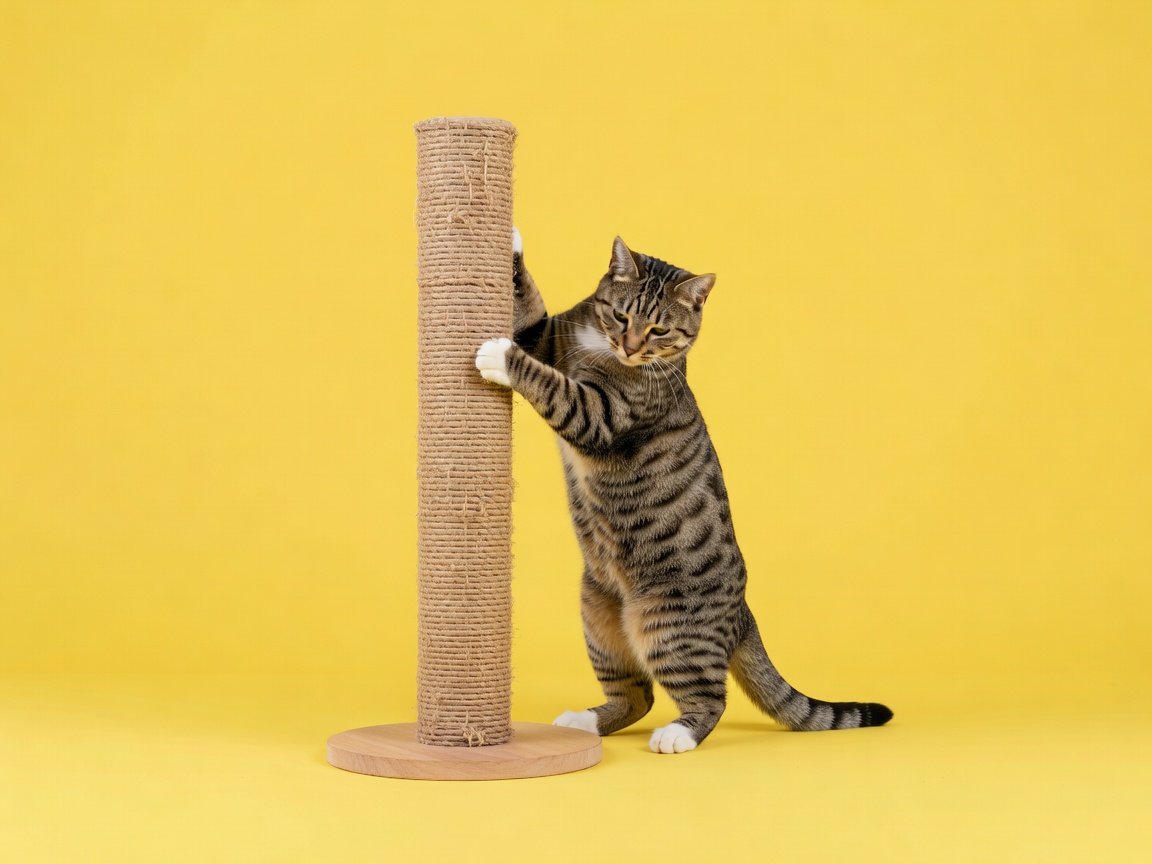
Scratching also deposits scent from the paw pads and leaves visual marks, so kneading and scratching are related behaviors. If your cat kneads a spot and then scratches it, or kneads a sofa arm right after waking, it may be reinforcing that area's scent.
What this means in a multi-cat home
If you notice more kneading of furniture, bedding, or people after a change (a new pet, a move, new furniture, a visitor), your cat may be re-establishing familiar scent. That is normal. If the change is large and your cat seems stressed, offering predictable routines, hiding spots, and vertical space often helps. Some owners also try pheromone diffusers.
One small caution: if a cat starts spraying or urinating outside the litter box, that is a different issue from kneading and warrants a vet check to rule out medical causes.
Comfort, Contentment, and Bonding
For most cats, most of the time, kneading is a happy behavior. If your cat is purring, blinking slowly, and pressing into your lap, you are watching a relaxed animal. It is the feline equivalent of a deep exhale.
Why does it feel good? There are a few likely reasons:
- Familiar association: The motion is tied to nursing, which was calming and rewarding.
- Physical release: The rhythmic movement may help a cat unwind, much like some people feel calmer when they fidget or stretch.
- Choosing you: Cats usually knead where they feel safe. If it is happening on your lap, you rank high on their list.
Reading the mood
Context tells you a lot. Kneading with a soft body, slow blinks, and purring suggests contentment. Kneading that comes with restless pacing, flattened ears, a tense body, or repeated vocalizing might suggest the cat is trying to soothe itself because it is uneasy. In that case, the kneading is more like a coping habit than pure bliss.
Timing also matters. Many cats knead:
- Right before settling down to sleep.
- When they are being petted and feel relaxed.
- After a meal, when warm and satisfied.
- When first climbing onto a favorite person or blanket.
The bonding angle
Cats that were hand-raised or bottle-fed, or that bonded closely with their people, often seem especially inclined to knead on their owners. That said, a cat that does not knead you is not less attached. Some cats simply never developed the habit, or they prefer to do it on blankets only.
If your cat kneads you, you can respond calmly. Gentle petting and a quiet voice usually keep the mood warm. A thick towel or blanket across your lap protects your skin while letting your cat keep doing something that clearly makes it happy.
Nesting, Stretching, and Other Practical Reasons
Not all kneading is about memory or messages. Some of it is practical, rooted in how cats prepare a place to rest.
Making a bed
Wild and feral cats and their relatives are thought to press down grass, leaves, or other material to make a comfortable resting spot. It may also have helped them check the area for hidden hazards. Domestic cats do not need to flatten grass, but the instinct remains. When your cat kneads a fleece blanket and circles before lying down, it may be doing the indoor version of building a nest.
This fits with the common pattern of kneading before sleep. Cats that knead beds, cushions, and your pillow are often simply getting their spot ready.
A gentle stretch
Kneading also moves the shoulders, legs, and toes. After a long nap, some cats seem to knead as part of waking up, similar to how they stretch with a bowed back. The motion works the muscles in the front limbs and may feel pleasant, particularly when combined with the sensation of pushing into something soft.
Warmth seeking
Cats love heat. Soft, warm surfaces such as a sun-warmed blanket, a laundry pile, or a heated bed often trigger kneading, which suggests that warmth and softness combine to prompt the behavior. If your cat kneads the same sunny patch on your bed every afternoon, that is likely part of the reason.
Kneading in females in heat
Some unspayed females knead more, along with other signs such as rolling, extra vocalizing, and a lifted rear end, when they are in heat. If your unspayed cat shows these signs, talk to your veterinarian about spaying, which also offers broader health benefits.
In practical terms, you can often tell which reason is at play by watching what happens next. Does your cat circle and lie down? Stretch? Stay put and purr? Those patterns hint at whether it is nesting, waking up, or enjoying a cuddle.
When Kneading Could Signal a Problem
Kneading by itself is almost never a medical concern. What matters is change, intensity, and the surrounding signs. Because cats hide discomfort well, a shift in routine behavior is one of the better clues that something is off.
Talk to your veterinarian if you notice any of the following:
- A sudden increase in kneading that comes with restlessness, hiding, or vocalizing.
- Compulsive kneading or suckling that is hard to interrupt, or that leads to chewing and swallowing fabric.
- Kneading plus appetite changes, weight loss, or lethargy.
- Kneading with signs of pain, such as flinching when touched, limping, or avoiding jumping.
- Skin irritation or swelling around the paws, such as redness, licking, or torn nails.
These signs do not mean kneading is the cause. They simply mean your cat's behavior is changing, and a vet visit can help sort out whether the reason is physical, stress-related, or habitual.
Stress and anxiety
Some cats knead more when anxious because the motion is soothing. Common triggers include moves, a new baby or pet, schedule changes, or conflict between cats. Try to find and reduce the source, and keep play, feeding times, and litter box access consistent. If stress seems significant, a veterinarian or certified behavior professional can suggest options.
Swallowing fabric is a real risk
If your cat chews and swallows wool, thread, or other material during kneading, that is more than a quirk. Swallowed fabric can cause a blockage. Repeated vomiting, refusal to eat, straining in the litter box, a painful belly, or sudden lethargy after chewing fabric should be treated as urgent, and you should contact a veterinarian or emergency clinic right away.
For a typical happy kneader that purrs and relaxes, there is nothing to fix. The point of this section is to help you notice the rare case when kneading is part of a bigger picture.
Living With a Kneader: Claws, Laps, and Boundaries
Loving the behavior is easy. Living with the claws is the hard part. Here are ways to keep both you and your cat happy.
Keep claws trimmed
Regular nail trims blunt the tips and make lap kneading much more comfortable. Trim only the sharp end and avoid the pink quick inside the nail. If you have never done it, ask your vet or a groomer to show you. Many cats tolerate trims better when you start slowly, handle their paws often, and reward with a treat.
Use a barrier
Keep a thick blanket, folded towel, or lap pad ready. When your cat approaches, slide it over your legs. Your cat gets to knead and you get to keep your skin intact. Over time, many cats associate the blanket with kneading time.
Redirect gently
If the claws start to hurt:
- Stay calm and avoid yanking your cat off, which can lead to snagged claws.
- Slide a blanket or cushion under the paws.
- Gently lift the paws free of your skin if needed.
- Offer a soft bed or a favorite blanket nearby.
Try not to punish a cat for kneading. It is instinctive, not defiance, and punishment can cause confusion or stress and damage your bond. Calmly moving away and offering an alternative works better.
Give kneading a home
A dedicated soft spot, such as a plush bed, a fleece throw, or a heated cat bed, gives your cat an approved place. Place it where your cat already likes to rest, and rub a bit of its scent onto it if you like.
Protect furniture and fabric
Knitted throws and loose weaves can snag claws. Choose tightly woven fabrics for the spots your cat uses most, and keep the nails trimmed.
With a few small adjustments, kneading can stay a sweet part of your daily routine instead of a source of scratches.
Helpful products to consider
Feliway Classic Calming Diffuser
Helpful pickA plug-in diffuser that releases a synthetic copy of a feline facial pheromone. Some owners use it to help a stressed or unsettled cat feel more at home. Results vary from cat to cat, and it is not a substitute for addressing the cause of stress.
PROS
- Drug-free option many owners try for household stress
- Easy plug-in setup, no daily effort
- Can complement other enrichment and routine changes
CONS
- Results vary and some cats show little change
- Refills are an ongoing cost
- Does not replace a vet visit for medical or serious behavior problems
Safari Professional Nail Trimmer for Cats
Helpful pickA small, cat-sized nail trimmer that suits keeping claw tips blunt, which makes kneading on laps far more comfortable. Always trim only the sharp tip and avoid the pink quick. Ask your vet or groomer for a quick demo if you are new to it.
PROS
- Sized for small cat claws
- Regular trims make lap kneading less painful
- Inexpensive, simple tool
CONS
- Needs a calm cat and some practice
- Cutting too far risks hitting the quick
- Some cats resist handling at first
K&H Thermo-Kitty Bed
Helpful pickA pet bed with a built-in heating element designed to give a warm, soft surface. It can be a good spot for a cat that loves to knead and settle in. Follow the manufacturer's instructions and check the cord and cover regularly.
PROS
- Gives a dedicated soft spot for kneading and napping
- Warmth appeals to many cats
- Can redirect kneading away from furniture or laps
CONS
- Not every cat will choose it over your lap
- Needs a nearby outlet
- Claws can snag some fabrics over time
Frequently asked questions
Why do cats knead and purr at the same time?
Purring and kneading are both linked to relaxation and early nursing, when kittens purred and pressed on their mother. Together, they usually signal a cat that feels safe and content. Cats also purr when stressed or unwell, so check the rest of the body language, such as soft eyes and a loose posture.
Why does my cat knead me and then bite or nip?
Some cats get overstimulated and shift quickly from relaxation to a love bite or nip. It can also happen if a cat is mixing nursing-like behavior with excitement. Watch for twitching tails or tense skin, and gently stop the interaction before it escalates. If biting is frequent or hard, consult your vet.
Do male and female cats both knead?
Yes. Kneading is common in both males and females, spayed or neutered or not. Some unspayed females may knead more while in heat. Individual temperament matters far more than sex, and some cats never knead at all, which is normal.
Should I stop my cat from kneading?
Usually not. It is a natural, comforting behavior. Instead, manage the discomfort by trimming nails, placing a blanket on your lap, and offering a soft bed. Only consider seeking help if the kneading is compulsive, involves swallowing fabric, or comes with other changes in health or behavior.
Why does my cat knead in the air or on hard floors?
Air or floor kneading often happens when a cat is very relaxed, half asleep, or trying to settle with no soft surface available. It is typically a harmless reflex. If it appears alongside distress, pain, or sudden changes in behavior, mention it to your veterinarian.