Some links on this page are affiliate links. If you buy through them we may earn a commission at no extra cost to you. How we make money.
No cat is truly hypoallergenic. All cats produce Fel d 1, the main allergy-triggering protein, though the amount varies from cat to cat. Some breeds and individuals may cause milder reactions for some people, but there are no guarantees, so spend real time with a specific cat before committing.
Key takeaways
- No cat is truly hypoallergenic. All cats produce Fel d 1, the main allergy-triggering protein found in saliva, skin secretions, and dander.
- Breed lists like Siberian, Balinese, Rex, and Sphynx are starting points based largely on owner reports, and individual cats vary more than breeds.
- Test compatibility with repeated, extended visits or fostering, and talk to a doctor or allergist first, especially if you have asthma.
- Layered habits work best: a cat-free bedroom, HEPA filtration, frequent washing, hard floors, and good hand hygiene.
- Seek urgent medical care for breathing difficulty, facial swelling, or severe wheezing after cat exposure.
If you sneeze, itch, or wheeze around cats but still dream of owning one, you have probably seen the phrase "hypoallergenic cat" attached to certain breeds and breeder websites. It sounds like a solution. The reality is more complicated.
No cat is free of allergens, and the claims around "low-allergen" breeds are often stronger than the evidence behind them. That said, allergen levels do differ between individual cats, and there are practical steps that help many people live comfortably with a cat.
This guide explains what actually causes cat allergies, what breed claims can and cannot tell you, and how to test and manage your own situation.
The Short Answer: No Cat Is Truly Hypoallergenic
The word "hypoallergenic" means less likely to cause an allergic reaction. It does not mean allergen-free. Applied to cats, it is a marketing term rather than a medical or scientific category, and no breed has been proven to be safe for everyone with cat allergies.
Every domestic cat produces the proteins that trigger allergic reactions. What differs is how much a particular cat produces, how much ends up in your environment, and how sensitive you are. That last factor matters enormously. Two people can sit in the same room with the same cat, and one will be fine while the other has watery eyes within ten minutes.
Why the label keeps spreading
There are a few reasons "hypoallergenic cat" appears so often:
- Anecdotes spread fast. Plenty of owners report that they tolerate a Siberian or a Balinese better than other cats, and those stories get repeated as fact.
- Breeders have an incentive. A kitten that is advertised as allergy-friendly is easier to sell, and some sellers make promises they cannot back up.
- Hair gets blamed. Many people assume fur is the problem, so short-coated, curly-coated, or hairless cats are assumed to be safer. As the next section explains, that assumption is shaky.
What a careful claim sounds like
A responsible statement is something like: "Some people with mild allergies report fewer symptoms around certain breeds or individual cats, but results vary and nothing is guaranteed." If a seller promises a kitten will not trigger your allergies, treat that as a red flag.
Who should be especially cautious
If you have asthma, a history of severe reactions, or allergic symptoms that affect your breathing, talk to your doctor or an allergist before bringing any cat home. Allergies are not just an annoyance for some people, and a cat who has to be rehomed later is stressful for everyone, especially the cat.
The good news is that "not hypoallergenic" does not mean "impossible." Many people with cat allergies do live with cats, using a mix of smart selection and consistent management. The rest of this guide shows you how.
What Actually Causes Cat Allergies: Fel d 1
The major cat allergen is a protein called Fel d 1. Cats produce it mainly in their salivary glands and skin glands (sebaceous glands), and it is also found in smaller amounts elsewhere in the body. When a cat grooms, saliva carrying Fel d 1 dries on the coat. The allergen then flakes off with dander and spreads through the home.
There are other cat allergens, but Fel d 1 is the one most often discussed because most cat-allergic people react to it.
Why it is so hard to escape
Fel d 1 is a very small, sticky, lightweight particle. That has some practical consequences:
- It stays airborne. Small particles can float in the air for long periods and drift into rooms the cat rarely visits.
- It clings to fabric. Sofas, bedding, curtains, and clothing all collect it.
- It travels. It can be carried on clothes into offices, schools, and homes without cats. Some people with allergies find they react in places where no cat has lived.
- It lingers. Allergen can remain in a home for a long time after a cat is gone, particularly in carpets and upholstered furniture.
It is not the hair
Cat hair is not the allergen itself. It is simply a carrier. Because saliva and skin secretions coat the fur, hair becomes the delivery vehicle, but a hairless cat still makes Fel d 1 in its skin and saliva. That is why "low-shedding" does not equal "low-allergen."
What an allergic reaction looks like
Common symptoms include sneezing, runny or blocked nose, itchy or watery eyes, itchy skin, hives, or a rash where a cat has scratched or licked you. In some people, exposure triggers coughing, chest tightness, or wheezing.
Seek urgent medical care if you or a family member develops difficulty breathing, severe wheezing, swelling of the lips or face, or feels faint after cat contact. Those can be signs of a serious reaction or asthma flare.
Understanding that the problem is a protein, not fur, changes how you think about breeds, grooming, and cleaning.
Lower-Allergen Breeds: What the Claims Really Mean
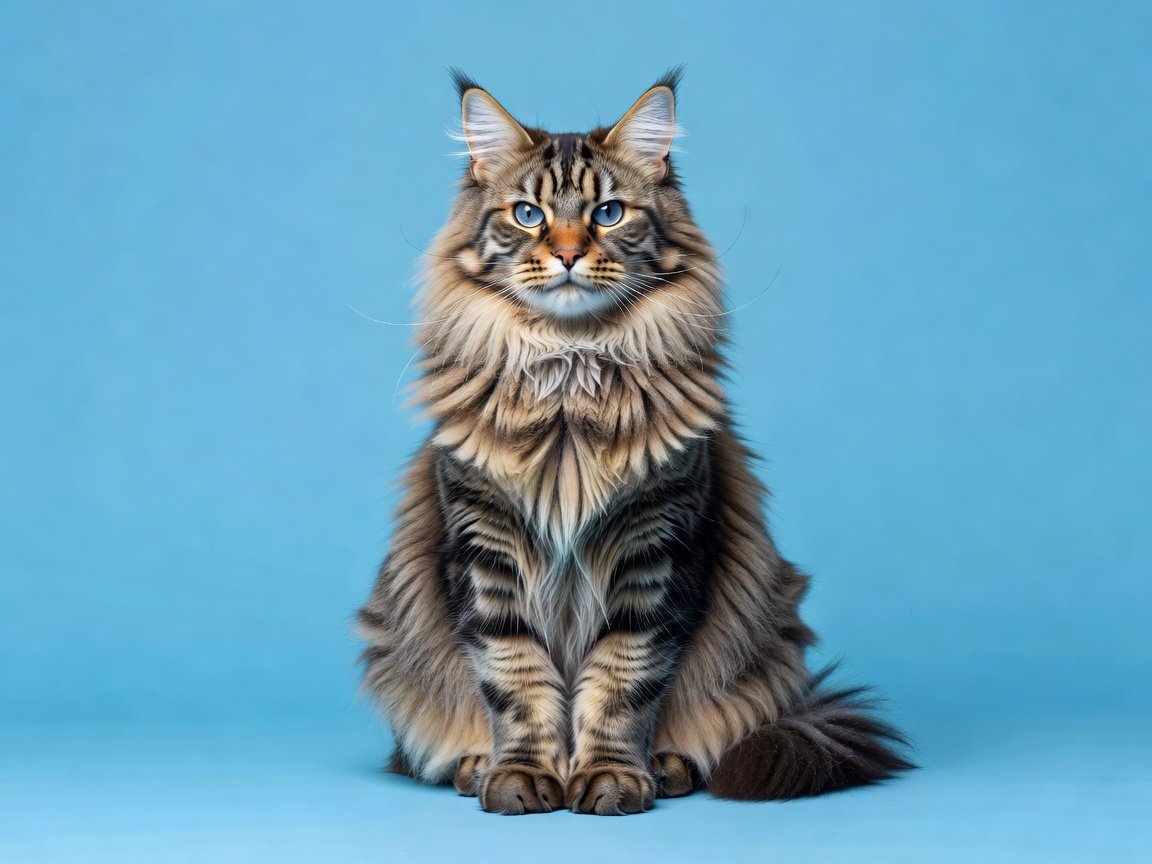
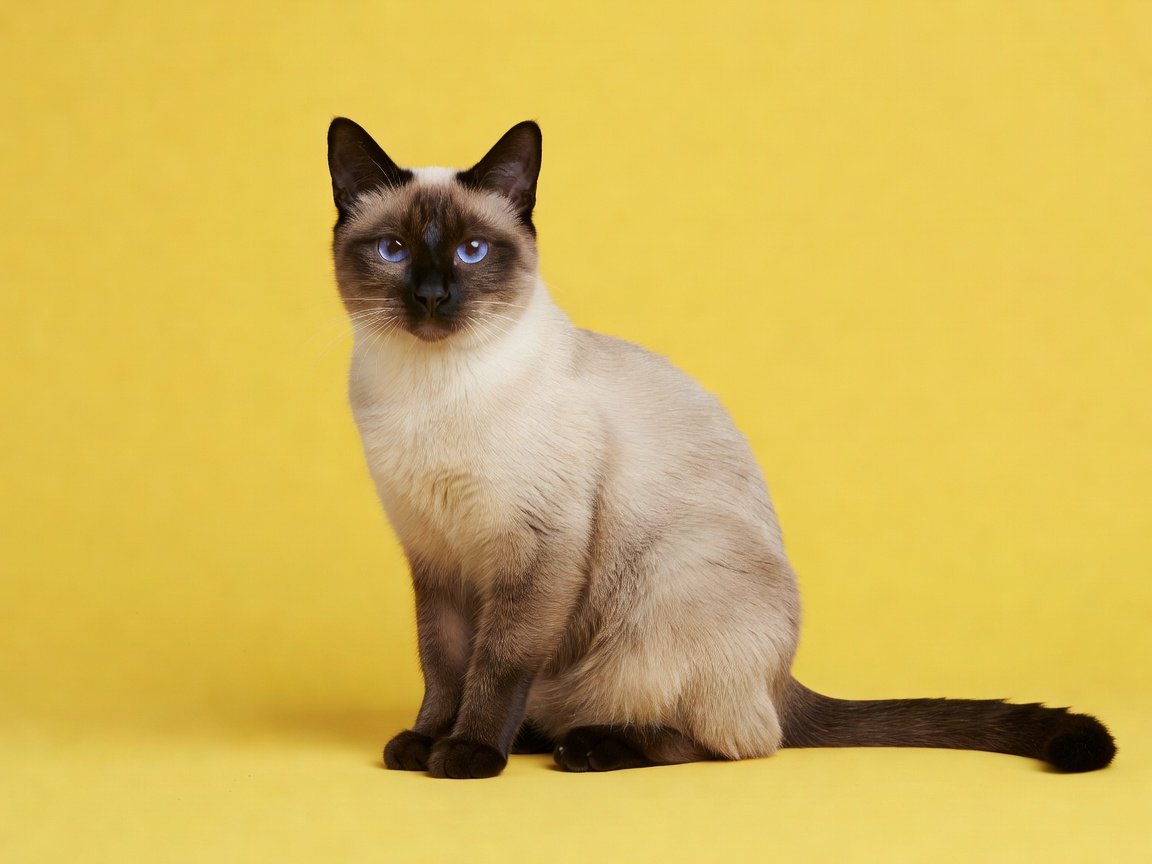
Several breeds are regularly described as better options for allergy sufferers. The ones you will see most often include the Siberian, Balinese, Russian Blue, Bengal, Devon Rex, Cornish Rex, and Sphynx. Each comes with a story, and some of those stories are more convincing than others.
Siberian and Balinese
The Siberian is probably the most famous "allergy-friendly" cat. Some owners report fewer symptoms, and there is a widely repeated idea that Siberians may produce less Fel d 1 on average. The evidence is limited, though, and individual Siberians vary. Not every allergic person tolerates one. The Balinese gets similar anecdotal praise, with the same caveats.
Rex breeds and Sphynx
Devon Rex and Cornish Rex cats have short, fine, or sparse coats, and the Sphynx is nearly hairless. People often assume less fur means less allergen. But these cats still produce Fel d 1 in their saliva and skin, and a Sphynx may leave oils on bedding and furniture because it has no coat to absorb them. Some allergic people do well with these breeds, and others do not.
Russian Blue and Bengal
These breeds appear on many lists, mostly through repeated claims and owner reports rather than strong evidence. Treat them as possibilities, not promises.
How to use breed lists sensibly
- Treat them as a starting point, not a guarantee.
- Expect variation inside a breed. The cat in front of you matters more than the breed name.
- Be skeptical of absolute claims from sellers, especially anyone who calls a kitten "100% hypoallergenic."
- Do not choose a breed purely on this basis. Breeds come with their own energy levels, health considerations, and costs.
Also consider adopting an adult cat. Because allergen output varies so much between individuals, spending time with a specific adult cat can tell you more than any breed list.
Why Individual Cats Matter More Than Breeds
Research and clinical experience both suggest that Fel d 1 levels differ widely between individual cats, even within the same breed. That means a low-producing cat could turn up anywhere, including in a shelter, and a high-producing cat could be a breed with a good reputation.
Factors that can influence allergen levels
- Sex and neutering. Intact males are generally reported to produce more Fel d 1 than females or neutered males. Neutering is widely thought to reduce output, although it will not remove it.
- Age. Kittens often seem to produce less, which can lead to a false sense of security. A person may seem fine around a young kitten and then react more as it matures.
- Individual biology. Some cats simply make less, regardless of breed or coat.
- Skin and coat health. A cat with skin problems may shed more dander, so keeping skin healthy is helpful for both of you.
Myths worth dropping
"Light-colored cats are better." Coat color is often mentioned, but there is no reliable basis for choosing a cat by color for allergy reasons.
"Short hair means fewer allergies." Hair length is not the driver. Saliva, skin secretions, and dander are.
"I will build immunity." Some people do notice symptoms settle over time, but this is unpredictable. Others get worse. Do not plan around it.
The practical takeaway
Because individual variation is so large, the most reliable test is direct exposure to the specific cat you are thinking about adopting, over a meaningful stretch of time. A shelter or breeder who understands your concern should be willing to arrange more than one visit.
If you already have a cat and are only now discovering an allergy, you have more options than you may think. Management routines, medical treatment, and environmental changes help many households stay together.
How to Test Compatibility Before You Adopt
Choosing a cat while allergic is a bit like test-driving a car. A quick look is not enough. You want realistic, repeated exposure under conditions similar to daily life.
Step-by-step approach
- Talk to your doctor or an allergist first. Allergy testing can confirm that cats are actually the trigger and help you understand how severe your sensitivity is. This is especially important if you have asthma.
- Visit the cat more than once. Plan several visits on different days, ideally lasting at least an hour each, with real contact such as petting and holding.
- Watch for delayed reactions. Symptoms sometimes appear hours later. Note how your eyes, nose, skin, and breathing feel that evening and the next morning.
- Try a foster arrangement. Some shelters and rescues offer fostering or foster-to-adopt programs. Living with a cat for a couple of weeks reveals a lot.
- Bring the whole household. If several people live with you, everyone should be around the cat. Allergies can differ within a family.
- Ask for a return policy in writing. If you are buying from a breeder, understand what happens if the match does not work.
Questions to ask a breeder or rescue
- Have other allergic adopters had success with this cat or its parents?
- Will you let me visit several times before deciding?
- What is your policy if I cannot keep the cat because of allergy symptoms?
- Is the cat neutered or spayed?
A trustworthy source will answer honestly, including saying "we cannot guarantee anything."
A note on allergy treatments
Allergists may discuss options such as antihistamines, nasal sprays, or allergen immunotherapy (allergy shots). Whether any of these suit you is a decision for your doctor. They can help some people, but they do not replace sensible choices about the cat and the home.
Taking a few weeks to test carefully is far kinder than adopting, struggling, and rehoming.
Managing Cat Allergies at Home
Even with a well-chosen cat, allergen control is an ongoing habit rather than a one-time fix. The goal is to lower your overall exposure so your symptoms stay manageable.
Create an allergen-light bedroom
You spend roughly a third of your life asleep, so the bedroom is the highest-value space to protect. Keep the cat out of it, keep the door closed, and wash bedding frequently in hot water if the fabric allows. Allergen-proof mattress and pillow covers can also help. A HEPA air purifier running in the room can capture airborne particles.
Clean smartly
- Vacuum with a HEPA-filter vacuum regularly, because a poor filter can blow fine allergen back into the air.
- Choose hard floors over carpet where you can, and damp-mop rather than dry-sweep.
- Use washable covers on sofas and throws, and launder them often.
- Wipe surfaces with a damp cloth to avoid stirring up dust.
- Clean the litter area carefully. Dust and odor management matter. A low-dust option like Pretty Litter Cat Litter may suit some households, and an enzymatic product like Live Pee Free Pet Odor Eliminator can help with accidents on fabrics, but neither is an allergy treatment.
Reduce the allergen at the source
Some owners find that a non-allergic family member brushing the cat outdoors, or gently wiping the coat with a damp cloth, helps keep dander down. Ask your vet what grooming is safe for your cat, and never bathe a cat frequently without veterinary guidance, as it can stress them and dry their skin.
Some veterinary diets, such as Purina Pro Plan LiveClear, are formulated to lower the active allergen on cat hair. Results can differ, so think of it as one tool among several. Keep your cat's diet complete and discuss any change with your vet.
Wash your hands
Wash hands after petting or handling litter, and avoid touching your face. Changing clothes after heavy cuddling can also reduce how much allergen follows you around.
No single step works alone. Layering several of these habits is what makes a noticeable difference.
Living Well With a Cat When You Have Allergies
Choosing to live with a cat despite allergies is a real commitment. It works best when everyone is honest about symptoms and willing to adjust routines.
Keep the cat healthy
A cat with healthy skin and a good diet tends to be easier to live with. Regular veterinary care also helps you catch skin conditions, which can increase dander and scratching. If vet costs are a concern, a plan such as the Pet Assure Veterinary Discount Plan is one option for reducing out-of-pocket spending at participating clinics. It is a discount program rather than insurance, so read the terms to see whether it fits your situation. Fresh food options like Nom Nom Fresh Cat Food are another way some owners approach nutrition, though it should be chosen with your vet's input and is not an allergy remedy.
Watch your own symptoms
Keep a simple log for the first few months. Note when symptoms flare, which rooms are worst, and what you did that day. Patterns often reveal easy fixes, such as a particular chair or a bedroom door left open.
Know when to escalate
Contact your doctor if:
- Symptoms are getting steadily worse rather than settling.
- You are using more medication to cope.
- You notice coughing, wheezing, or chest tightness at night.
- Sleep, work, or daily life is suffering.
Get emergency help for severe breathing difficulty, facial swelling, or fainting.
Be realistic about the outcome
Some allergic people live comfortably with cats for years. Others find that, despite every precaution, symptoms remain too uncomfortable or risky. If that happens, plan a thoughtful rehoming rather than waiting until things become unbearable. Fostering for shelters, volunteering at a rescue, or visiting a cat cafe can also give you cat time without a full-time commitment.
The honest bottom line: there is no magic breed, but with careful testing and good habits, many allergy sufferers do find a workable path.
Helpful products to consider
Pro Plan LiveClear Adult Dry Cat Food
Helpful pickA complete and balanced dry food that the manufacturer says is formulated to reduce the active cat allergen on a cat's hair and dander. It is a supportive tool, not a cure, and results vary by person and cat. Check with your vet that it suits your cat.
PROS
- Works from the cat's side, so no extra chores for you
- Complete and balanced adult formula
- Easy to add to an existing routine
CONS
- Does not eliminate allergens
- Individual results vary
- Switching foods should be done gradually
Core 300 True HEPA Air Purifier
Helpful pickA compact true HEPA air purifier popular for bedrooms and small living spaces. HEPA filtration can capture fine airborne particles like pet dander. It will not remove allergen that has settled on fabric, so it works best alongside regular cleaning.
PROS
- Compact size suits a bedroom
- True HEPA filter for fine particles
- Pairs well with cleaning routines
CONS
- Does not remove settled allergen
- Filters need periodic replacement
- Needs to run consistently to help
Frequently asked questions
Is there a 100% hypoallergenic cat breed?
No. Every cat produces Fel d 1, the main cat allergen, so no breed is completely allergen-free. Some breeds, like the Siberian or Balinese, are often mentioned as better tolerated by some people, but individual cats and individual allergies vary widely. Always spend time with the specific cat before adopting.
Are hairless cats like the Sphynx good for people with allergies?
Not necessarily. Allergens come from saliva, skin secretions, and dander, not from hair itself. A Sphynx still produces Fel d 1, and its skin oils can transfer to bedding and furniture. Some allergic people tolerate them, others do not, so a trial visit matters.
Does neutering a cat reduce allergens?
Neutering is generally thought to reduce Fel d 1 production, particularly in male cats, since intact males tend to produce more. It will not eliminate the allergen, so it should not be treated as a cure. Neutering is still recommended for other health and behavior reasons.
Can I build up a tolerance to my cat?
Some people notice symptoms ease over time, but this is unpredictable, and others get worse. You should not count on it. Speak to a doctor or allergist about your options, and monitor your symptoms closely, especially if you have asthma.
Do air purifiers actually help with cat allergies?
A true HEPA air purifier can capture fine airborne particles, including pet dander, so it may help, especially in a bedroom. It does not remove allergen that has settled on fabrics and surfaces, so it works best alongside regular cleaning, washable bedding, and keeping the cat out of sleeping areas.