Some links on this page are affiliate links. If you buy through them we may earn a commission at no extra cost to you. How we make money.
Cats thrive on complete and balanced cat food, and a few plain, cooked, unseasoned animal proteins like chicken, turkey or egg make safe occasional extras. Never feed onion, garlic, chocolate, grapes, raisins, xylitol, alcohol or caffeine, and keep lilies out of the home. If your cat eats something toxic, call a vet right away.
Key takeaways
- A complete and balanced cat food should make up the vast majority of your cat's diet, with extras kept to roughly 10 percent of calories.
- Plain, cooked, unseasoned meats and eggs in tiny portions are the safest human foods to share.
- Never feed onion, garlic, chives, chocolate, grapes, raisins, xylitol, alcohol or caffeine to cats.
- Lilies are a plant emergency: any exposure to true lilies or daylilies needs immediate veterinary care, even without symptoms.
- If your cat eats something risky, call your vet or a poison hotline right away and bring packaging or a photo.
Your cat is staring at your chicken dinner, and you are wondering whether a bite is harmless or a problem. It is a fair question, because cats are not small dogs. Their bodies process certain foods very differently, and some ordinary kitchen items can make them seriously ill.
This guide sorts it all out. You will find the foods cats can safely eat, the ones that are toxic, the gray-area foods that depend on amount and preparation, and a plain plan for what to do if your cat eats something risky. Lilies are a plant rather than a food, but they belong here because they are one of the most dangerous things a cat can chew.
What Cats Can Eat Every Day: The Foundation
Cats are obligate carnivores. That means their bodies are built to get nutrients from animal tissue, and they cannot make everything they need from plants. Nutrients like taurine, arachidonic acid and preformed vitamin A must come from meat-based ingredients.
For that reason, the safest answer to "what can cats eat" starts with a commercial cat food labeled complete and balanced for your cat's life stage. In the US, look for a statement that the food meets AAFCO nutrient profiles for kittens, adults or all life stages. Wet, dry, fresh-cooked and some frozen diets can all qualify, so the format matters less than the label.
Why a balanced diet beats homemade guesswork
Cooked chicken breast sounds healthy, but a diet made only of chicken breast would be low in calcium and several other essentials. Over weeks and months, an unbalanced diet can cause real deficiencies. If you want to cook for your cat, work with a veterinarian or a board-certified veterinary nutritionist on a recipe rather than improvising.
Water matters as much as food
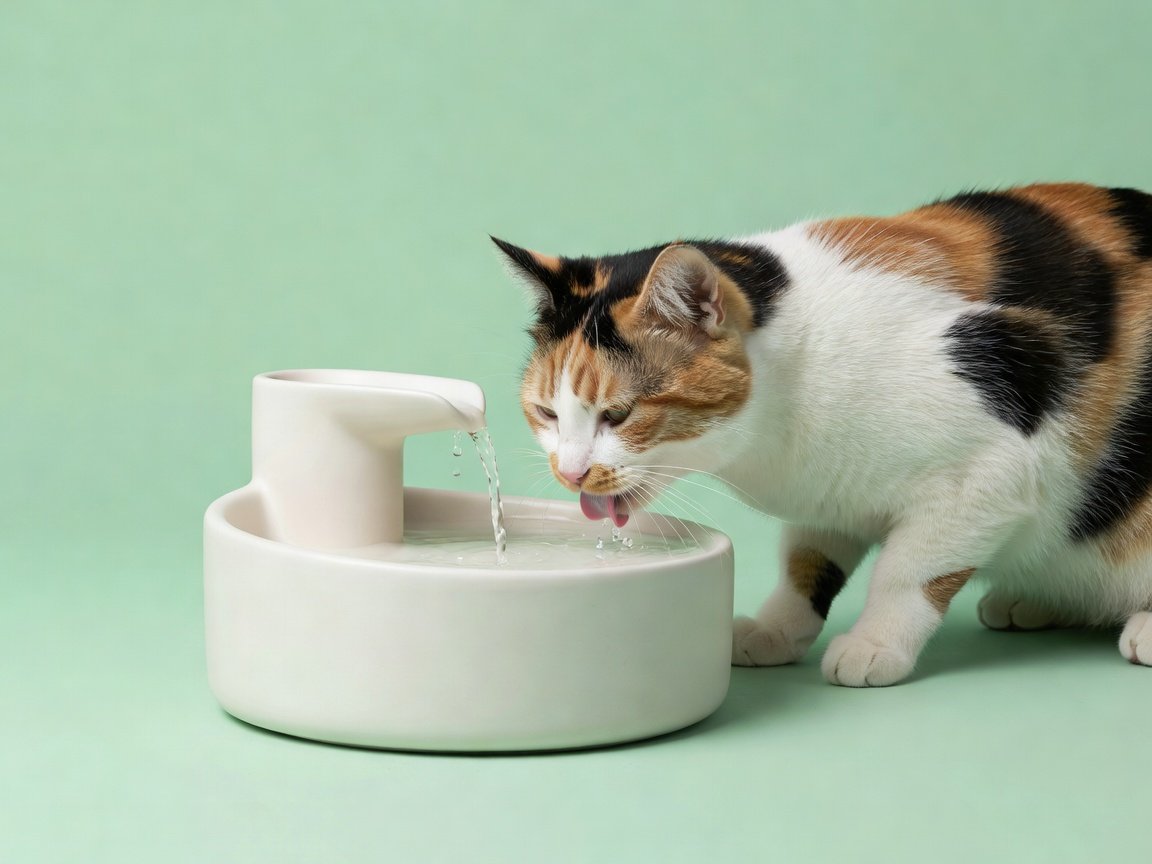
Cats evolved from desert-dwelling ancestors and often do not drink much. Wet food adds a lot of moisture to the day, which many vets like for urinary health. Fresh water in a wide, clean bowl or a fountain also helps.
The 10 percent treat rule
A widely used guideline is that treats and extras should make up no more than about 10 percent of daily calories. For a typical indoor adult cat, that is a small amount. A few bites of chicken can be a meaningful share of the day's calories.
Simple ways to stay inside that limit:
- Cut treats into pea-sized pieces
- Use part of the regular meal as a training reward
- Count the extras on days when you share people food
- Ask your vet for a daily calorie target if your cat is overweight
Keep every change gradual. Introducing a new food in a tiny amount, one item at a time, makes it easy to spot a stomach upset and identify the cause.
Safe Human Foods Cats Can Eat in Small Amounts
Plenty of everyday foods are fine as occasional extras for a healthy cat. The rule that covers nearly all of them is plain, cooked, unseasoned, bite-sized and small in quantity.
Animal proteins
- Cooked chicken or turkey (no skin, bones, butter or seasoning)
- Lean cooked beef or pork with the fat trimmed
- Cooked eggs, such as scrambled with no oil, salt or milk. Avoid raw egg, which carries a food poisoning risk
- Cooked fish like salmon or whitefish, remove all bones, and keep it occasional
- Plain canned tuna packed in water as a rare treat rather than a staple
Fruits and vegetables
Cats do not need produce, but some cats enjoy a nibble. These are generally considered safe in tiny portions:
- Blueberries
- Cantaloupe or seedless watermelon in small cubes
- Plain cooked pumpkin (not pie filling, which has sugar and spices)
- Steamed carrot or green beans, softened and cut small
- Cucumber
Remove seeds, pits and rinds first, and wash everything.
Grains and extras
A spoonful of plain cooked rice or oatmeal will not hurt most cats, though it offers little nutrition. Cat grass, oat grass and catnip are safe and also give indoor cats something green to chew instead of your houseplants.
Preparation rules that prevent trouble
- Cook meat thoroughly and let it cool.
- Skip salt, garlic powder, onion powder and sauces. Many seasoning blends and gravies contain onion or garlic.
- Remove every bone. Cooked bones can splinter and injure the mouth or gut.
- Offer a portion about the size of a fingernail to start.
If your cat has kidney disease, diabetes, pancreatitis, food allergies or a sensitive stomach, even "safe" foods may not be right. Ask your vet before sharing anything with a cat who has a medical condition.
Toxic Foods Cats Should Never Eat
These foods are known hazards. Some cause trouble in tiny amounts, so the safest approach is to treat them as off-limits.
Onion, garlic, chives and leeks
All members of the allium family can damage a cat's red blood cells and lead to anemia. Cats are generally considered more sensitive to alliums than dogs. Cooked, raw and powdered forms all count, which is why onion powder in soup, baby food, gravy or seasoned meat can be a hidden problem. Signs can include weakness, pale gums, vomiting and lethargy, sometimes appearing a day or more after eating.
Chocolate and caffeine
Chocolate contains theobromine and caffeine. Dark chocolate and baking chocolate are the most concentrated. Possible signs include vomiting, restlessness, a racing heart and tremors. Coffee grounds, tea bags and energy drinks carry similar risks.
Grapes and raisins
Grapes and raisins can cause kidney failure in dogs. The evidence in cats is less clear, but because the toxic agent is not well understood, vets advise keeping them away from cats too. That includes trail mix and baked goods containing raisins.
Xylitol
Xylitol is a sweetener found in some sugar-free gum, candy, baked goods, certain peanut butters and toothpaste. It is dangerous to dogs, causing a sharp blood sugar drop and liver damage. Cat data is more limited, but it is wise to treat any xylitol exposure as a reason to call a vet.
Other foods and drinks to avoid
- Alcohol, including in desserts and raw dough, because even small amounts affect a cat's small body
- Raw yeast dough, which can expand in the stomach and produce alcohol
- Cooked bones, a choking and injury risk
- Fatty scraps and fried foods, which can trigger vomiting or pancreatitis
- Very salty foods such as chips or cured meats
A practical habit: keep trash lidded, store chocolate and gum in closed cupboards, and never leave a plate unattended on a low table. Cats are agile and curious, and many poisonings happen in the minute you turn your back.
Lilies and Other Toxic Plants
Lilies are not a food, but they deserve a place in any "what can cats eat" conversation because many cats chew flowers and leaves. They are one of the most serious plant dangers for cats.
Why lilies are an emergency
True lilies (the Lilium group, such as Easter, tiger, Asiatic and stargazer lilies) and daylilies (Hemerocallis) can cause acute kidney failure in cats. Every part is considered dangerous: petals, leaves, stems, pollen and even the vase water. A cat that brushes against a bloom and then grooms pollen off its fur can be poisoned without ever biting the plant.
Early signs may include drooling, vomiting, lethargy and loss of appetite. These can look mild, and kidney damage may progress over the following days. This is why prompt veterinary treatment matters. If you even suspect your cat touched or ate a lily, go to a vet or emergency clinic immediately. Do not wait for symptoms.
If you receive a bouquet, check every stem. Florists sometimes tuck lilies into mixed arrangements. When in doubt, remove the flowers or give them away.
Other plants to keep away from cats
The ASPCA maintains a searchable list of toxic and non-toxic plants. Commonly cited problem plants include:
- Sago palm (can be severe and life-threatening)
- Tulip and daffodil bulbs
- Azalea and rhododendron
- Oleander
- Autumn crocus
- Pothos, philodendron and dieffenbachia (usually cause mouth irritation and drooling)
Safer greenery for cat homes
If your cat loves chewing leaves, give it options that are generally listed as non-toxic:
- Cat grass or wheatgrass grown in a pot
- Catnip
- Spider plant
- Cat thyme
Always verify any plant against a trusted list before bringing it home, since common names can be confusing. Put questionable plants in rooms your cat cannot enter, rather than relying on a high shelf.
Gray-Area Foods: Safe Sometimes, Risky Other Times
Some foods are not toxic in the strict sense but cause problems depending on the cat, the amount or the preparation.
Milk and dairy
The image of a cat lapping a saucer of milk is mostly myth. Many adult cats are lactose intolerant to some degree, and milk can lead to gas, loose stool or diarrhea. A lick of plain yogurt or a small cheese crumb is usually tolerable, but dairy is not necessary. Cat-specific lactose-free milk exists if you want a treat.
Tuna and fish
Tuna can be tempting, but a diet heavy in tuna meant for people is not balanced. Tuna packed in oil or brine adds fat or salt. Raw fish may carry parasites and contains an enzyme that can break down thiamine (vitamin B1) over time. Cooked, plain and occasional is the safest approach.
Raw meat and eggs
Raw diets are a debated topic. Raw meat can carry bacteria like Salmonella and Listeria, which may affect both pets and the people handling the food. If you are considering raw feeding, discuss the risks with your vet. Do not switch to raw casually.
Liver
Liver is rich in vitamin A. A small bite now and then is fine, but large or frequent amounts can lead to vitamin A toxicity over time.
Dog food
A few stolen bites will not usually hurt, but dog food lacks the nutrient balance cats need. Feed meals in separate spots if your dog and cat share a household.
Bread, dough and baked goods
A crumb of baked bread is generally harmless, though it offers nothing nutritionally. Raw dough is a different matter, since rising yeast can cause bloating and alcohol production.
Deli meat and seasoned leftovers
Ham, bacon and sausages are often high in salt and fat. Leftovers might hide garlic, onion or heavy sauces. Check the ingredients before sharing.
When in doubt
Ask yourself three questions: Is it plain? Is it tiny? Does my cat have a health condition that changes the answer? If the answer to any of these is uncertain, skip it or ask your vet.
What to Do If Your Cat Eats Something Toxic
Fast, calm action makes a real difference. The earlier a vet is involved, the more options there usually are.
Step-by-step
- Remove your cat from the source and take away any remaining food or plant material.
- Identify what and how much. Note the product, the amount you think was eaten and the time.
- Call your veterinarian or an emergency clinic right away. You can also contact the ASPCA Animal Poison Control Center or Pet Poison Helpline. Both are staffed around the clock, though consultation fees may apply.
- Do not induce vomiting unless a professional tells you to. Doing it incorrectly can cause harm, and it is not safe for every substance.
- Bring the packaging, plant sample or a photo to the clinic.
Go straight to a vet if you notice
- Repeated vomiting or drooling
- Weakness, wobbling or collapse
- Tremors or seizures
- Pale or yellowish gums
- Fast breathing or difficulty breathing
- Sudden hiding, extreme lethargy or refusal to eat
Any contact with a lily is an emergency even if your cat looks fine.
Prevention that actually works
- Use cabinets or containers with secure lids for human food
- Keep purses, bags and grocery sacks off the floor, as they often hold gum or candy
- Ask guests not to feed your cat from the table
- Choose cat-safe plants and flowers
- Clean up spills quickly, and use an odor remover like Live Pee Free Pet Odor Eliminator if your cat has vomited and the smell lingers
Planning for the unexpected
Emergency visits can be stressful and costly. Save your regular vet's number, the nearest 24-hour clinic and a poison hotline in your phone now. Some owners also look into pet insurance or a veterinary discount plan ahead of time so that money is less of a barrier when a decision has to be made quickly. A vet can always advise on the right next step for your individual cat.
Helpful products to consider
Nom Nom Fresh Cat Food
Helpful pickA fresh, cooked cat food delivered on a subscription basis, designed as a complete diet. It can suit owners who want to move away from feeding table scraps while still offering real-meat meals. Ask your vet whether a given recipe fits your cat's age and health.
PROS
- Fresh-cooked format appeals to many picky eaters
- Removes the guesswork of putting together a balanced diet at home
CONS
- Fresh food needs refrigerator or freezer space
- Usually costs more than typical dry food
PureBites Chicken Breast Freeze Dried Cat Treats
Helpful pickA single-ingredient chicken treat that makes a simple swap for sharing your own food. Plain meat treats are easy to portion into tiny pieces, which helps keep treats within a sensible share of daily calories. Check the current label for ingredients and feeding guidance.
PROS
- Simple, meat-based treat with no seasoning to worry about
- Easy to break into small portions for training or rewards
CONS
- Still a treat, not a complete meal
- Some cats may prefer other proteins
Pet Assure Veterinary Discount Plan
Helpful pickA veterinary discount plan, not insurance, that offers reduced prices at participating clinics. It may help when an unexpected visit for something like a suspected poisoning comes up. Check participating vets near you and the current terms before you sign up.
PROS
- No claim forms, since it works as a discount at participating vets
- Can be set up before an emergency happens
CONS
- Only works at participating practices
- It is not insurance and does not reimburse costs
Frequently asked questions
Can cats eat cooked chicken?
Yes. Plain, fully cooked chicken without skin, bones, oil or seasoning is a safe occasional treat for most healthy cats. Cut it into tiny pieces and keep it to a small share of daily calories. Chicken alone is not a complete diet, so it should supplement balanced cat food.
Is tuna safe for cats?
A small amount of plain tuna packed in water is generally fine as a rare treat. Avoid tuna in oil or brine, and do not make it a regular meal because it is not nutritionally balanced. Raw fish and heavy daily tuna feeding are best avoided.
Can cats drink milk?
Many adult cats have trouble digesting lactose, so milk can cause diarrhea or gas. A small lick will not harm most cats, but it is not needed. If you want to offer a treat, lactose-free milk made for cats is a gentler option.
Are lilies really that dangerous to cats?
Yes. True lilies and daylilies can cause acute kidney failure in cats, and even pollen groomed off the fur or vase water can be harmful. If you think your cat has been exposed, seek emergency veterinary care immediately rather than waiting for symptoms.
What should I do if my cat ate onion, chocolate or grapes?
Call your veterinarian or an animal poison hotline right away, even if your cat seems fine. Tell them what was eaten, how much and when. Do not try to make your cat vomit unless a professional instructs you to do so.