Some links on this page are affiliate links. If you buy through them we may earn a commission at no extra cost to you. How we make money.
Pidan Original Tofu Cat Litter is our top pick for most homes because its mid-size pellets cling to paws less than fine clay and it still clumps. If you want the least tracking possible and do not need clumping, large pellets like Feline Pine or Yesterday's News are the safer bet.
Key takeaways
- Granule size and weight matter most: larger, heavier pieces usually track less than fine clay.
- Pidan tofu is a strong all-rounder, while pine, paper, and pellet-and-pad systems offer the lowest scatter but do not clump.
- Introduce any new litter gradually, since a litter your cat refuses to use defeats the purpose.
- Pair low-tracking litter with a textured mat at the box exit and a high-sided box for better results.
- Sudden litter box changes, straining, or avoidance can signal a health problem, so contact your veterinarian, and treat a male cat straining with no urine as an emergency.
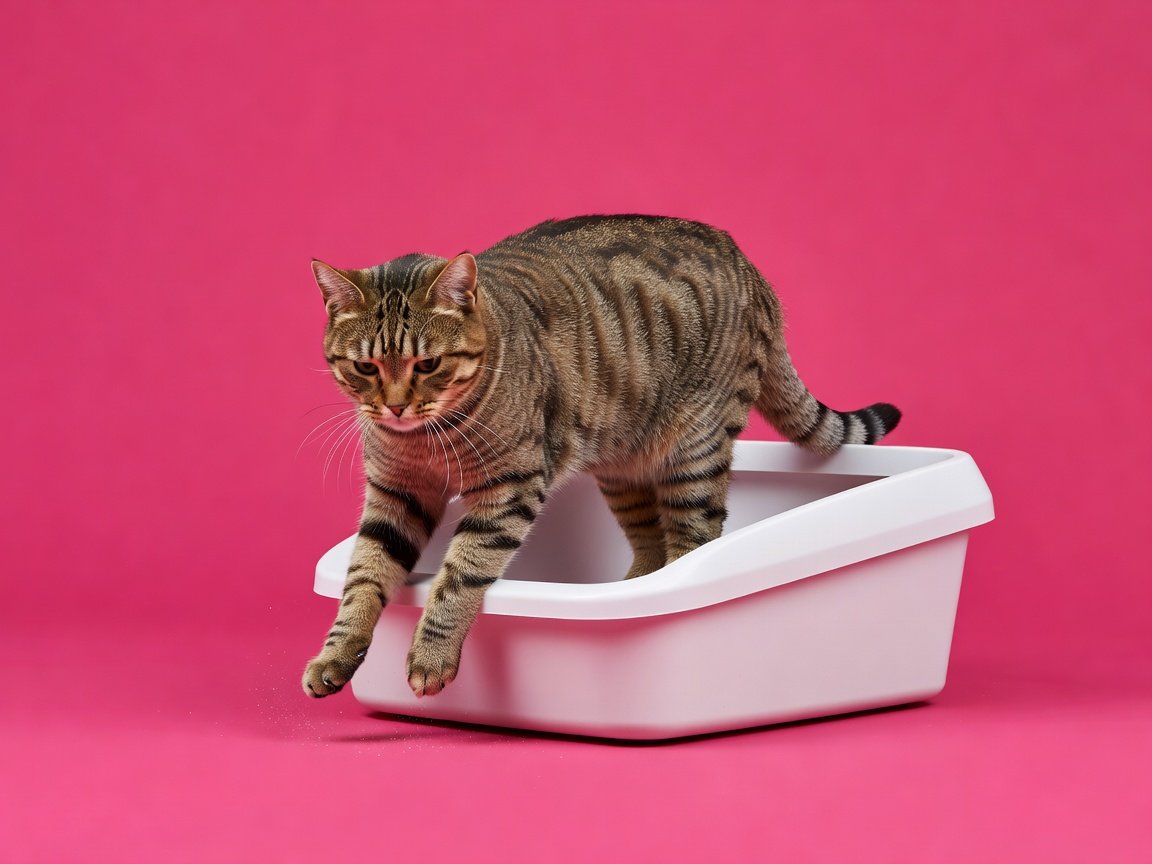
Litter tracking is rarely about a messy cat. It is mostly physics. Fine, sandy granules slip between toe pads, cling to fur, and ride out of the box on every step. Larger, heavier pieces tend to stay put.
That is why the best non tracking cat litter usually comes from a handful of categories: large-granule litters, compressed pellets, tofu, recycled paper, and silica crystals. Each trades tracking against clumping, odor control, price, or how comfortable it feels underfoot.
This guide is based on research, not hands-on testing. We compared products by particle size and shape, dust level, clumping behavior, odor approach, weight, and how easy each is to switch to. We also weighed what manufacturers state against what cat owners commonly report, and we flag where a claim is the brand's own. Below you will find six picks, a buying guide, a comparison of litter types, common mistakes, and practical tips including litter mats.
Our top picks at a glance
| # | Product | Why we like it | |
|---|---|---|---|
| 1 | Pidan Original Tofu Cat Litter Best Overall | Pidan is a tofu-based litter made of small cylindrical pellets that are larger and heavier than typical clay granules, so they tend to stay in the box instead of clinging to paws. | View |
| 2 | Feline Pine Original Cat Litter Best Pellet Litter | Feline Pine is a pine pellet litter that is non-clumping. | View |
| 3 | Yesterday's News Soft Texture Cat Litter Best Paper Litter | Yesterday's News is a recycled paper pellet litter. | View |
| 4 | Pretty Litter Cat Litter Best Crystal Litter | Pretty Litter is a silica crystal litter sold by subscription from the brand. | View |
| 5 | Tidy Cats Breeze Litter Pellets Best for Minimal Tracking | Breeze uses firm, large pellets that sit on a grated tray above absorbent pads, so urine drains through and the pellets stay dry. | View |
| 6 | Gorilla Grip Cat Litter Trapping Mat Best Litter Mat | Even the best low-tracking litter benefits from a good mat. | View |
Product reviews
Pidan Original Tofu Cat Litter
Best OverallPidan is a tofu-based litter made of small cylindrical pellets that are larger and heavier than typical clay granules, so they tend to stay in the box instead of clinging to paws. It clumps, so scooping works the way most owners expect, and the texture is soft for many cats. Check the packaging and your local rules before flushing anything, since guidance varies. It is a strong middle path between convenience and low scatter.
PROS
- Clumps like a traditional litter, so scooping is familiar
- Larger pellets are less likely to stick to paws
- Soft texture many cats accept easily
CONS
- Can be pricier per month than basic clay
- Pellets may stick to wet paws or the box bottom if left unscooped
Feline Pine Original Cat Litter
Best Pellet LitterFeline Pine is a pine pellet litter that is non-clumping. The pellets absorb urine and then crumble into sawdust, which settles in the bottom of the box. Because the dry pellets are large, they rarely hitch a ride on paws. The natural pine scent is noticeable, which some owners like and some cats may not. Plan on sifting sawdust and replacing it regularly, ideally with a sifting box.
PROS
- Large dry pellets tend to stay in the box
- Lightweight to carry and pour compared with many clays
- Natural pine scent helps with odor for many households
CONS
- Does not clump, so urine management takes more attention
- Wet sawdust can scatter if you do not clean it out
Yesterday's News Soft Texture Cat Litter
Best Paper LitterYesterday's News is a recycled paper pellet litter. The pellets are larger and softer than clay, which makes it a common suggestion for kittens, cats with sensitive paws, and cats recovering from declawing or surgery (ask your vet first). It is generally low dust and low tracking. The trade-offs are that it does not clump and some owners find the odor control less strong, so frequent changes help.
PROS
- Soft pellets are gentle on paws
- Typically low dust and low tracking
- Easy to understand and switch to for recovering or young cats
CONS
- Non-clumping, so you will change it more often
- Odor control may feel weaker than scented or clumping options
Pretty Litter Cat Litter
Best Crystal LitterPretty Litter is a silica crystal litter sold by subscription from the brand. The crystals are irregular and lightweight, and many owners find they track less than fine clay while using less volume. The brand states its litter changes color to flag changes in urine, but that is not a diagnosis, so call your vet if you see something concerning. Some cats dislike the texture, so transition gradually.
PROS
- Strong moisture absorption with low dust for many users
- Lightweight bags are easy to handle
- Color-change feature may prompt you to notice changes sooner
CONS
- Non-clumping, and some cats dislike the crystal feel
- Subscription model may not suit everyone
Tidy Cats Breeze Litter Pellets
Best for Minimal TrackingBreeze uses firm, large pellets that sit on a grated tray above absorbent pads, so urine drains through and the pellets stay dry. Because dry pellets are big and hard, they are among the least likely litters to scatter. The catch is that you need the Breeze litter box system, and some cats take time to accept the grate underfoot. Solid waste is scooped, and pads are swapped out.
PROS
- Dry, large pellets rarely stick to paws
- Urine drains away from the pellets, reducing damp clumps
- Scooping solids is straightforward
CONS
- Requires the matching litter box system and pads
- Some cats dislike walking on the grate
Gorilla Grip Cat Litter Trapping Mat
Best Litter MatEven the best low-tracking litter benefits from a good mat. Gorilla Grip makes textured litter mats designed to catch granules as your cat steps out. Look for a mat that is large enough to cover the exit side of the box and has grooves or a honeycomb texture for trapping. Shake or vacuum it regularly. A mat will not stop tracking by itself, but it catches what escapes.
PROS
- Catches stray granules before they reach the floor
- Easy to shake out or vacuum
- Pairs well with any litter type
CONS
- Does not fix the root cause if litter is too fine
- Some cats may dislike certain mat textures
How to Choose a Low-Tracking Cat Litter
Start with particle size and weight. Tracking happens when granules wedge between toes or cling to long fur. Fine, sandy clay is the biggest offender. Larger pellets, cylinders, and chunky granules are harder to trap and heavier to carry, so they usually stay in the box.
Next, think about your cat. Cats are particular about what they stand on. A litter that never leaves the box does not help if your cat refuses to use it. Soft, familiar textures are safest. If your cat has always used fine clumping clay, a sudden switch to hard pellets can lead to accidents.
What to weigh
- Granule size and shape: Bigger, smoother pieces track less. Irregular crystals can still hitch rides in long fur.
- Clumping vs. non-clumping: Clumping makes scooping easy but clumps can stick to paws. Non-clumping pellets need more frequent full changes.
- Dust: Dust coats paws and floors. Lower dust usually means less to track and easier breathing for you and your cat.
- Odor control: Compare how each litter handles smell, whether through clumping, absorption, or scent.
- Cost per month: Heavier use of litter or frequent full changes can add up.
- Disposal: Flushing rules vary by product and local plumbing. Always read the packaging.
Special cases
Kittens, senior cats, and cats with paw or health issues may need softer textures. Talk to your veterinarian before changing litter if your cat has urinary, respiratory, or surgical concerns. Also remember that kittens may nibble litter, so avoid clumping products for very young kittens unless your vet says otherwise.
Litter Types Compared: Pellets, Tofu, Paper, Crystals and Large Granules
Each low-tracking type behaves differently, so match the trade-offs to your home.
Pellets (pine and similar)
Wood pellets are large and hard when dry, so they rarely track. Once wet, they break into sawdust. That sawdust can scatter if left too long. They do not clump, so a sifting setup or regular full changes works best.
Tofu
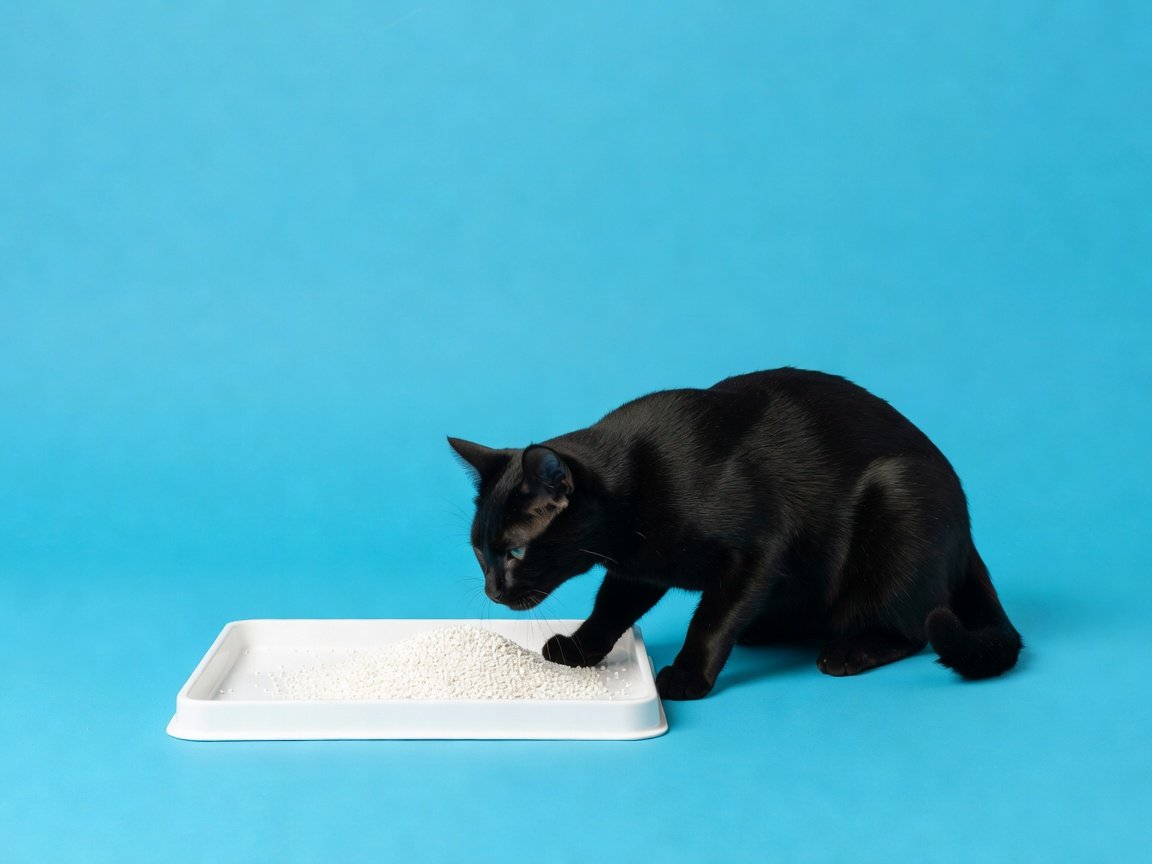
Tofu litter has mid-size pellets that are often soft and clump well. It sits between fine clay and hard pellets in tracking, making it popular for owners who want easy scooping without lots of scatter. Pellets can stick if they get wet and are not scooped promptly.
Recycled paper
Paper pellets are soft, low dust, and gentle on paws. They do not clump, and odor control may need more frequent changes. They are a common choice for kittens and for cats recovering from procedures, with your vet's guidance.
Silica crystals
Crystals absorb a lot of moisture and are lightweight, which many owners like. Irregular pieces can still track in some homes, and some cats dislike the feel. Introduce them slowly.
Large-granule clumping litters
Some clumping litters use bigger, heavier granules than classic clay, which can reduce scatter while keeping scooping easy. Check the label for particle size and read reviews that mention tracking.
Pellet and pad systems
Systems like Tidy Cats Breeze keep pellets dry above absorbent pads. They tend to have minimal tracking but require the specific box and a cat that accepts the grate.
Common Mistakes That Make Tracking Worse
Many tracking problems are not caused by the litter itself. These are the usual culprits.
Switching too fast
If you swap litters overnight and your cat dislikes the new texture, they may dig more, perch on the edge, or go elsewhere. Mix the new litter into the old over about a week or two, increasing the ratio gradually. Watch for avoidance and go back a step if needed.
Using too little or too much litter
Shallow litter gets scratched through to the box floor, while overfilling makes cats kick litter out. Aim for a depth that lets your cat dig comfortably without flinging it. Most owners find a few inches works, but follow product guidance.
Skipping scooping
Damp clumps and wet sawdust stick to paws and spread. Daily scooping keeps paws cleaner. Non-clumping types need a regular full change.
Ignoring the box
A small, shallow, or open box makes scatter likely. A larger box with higher sides, or a top-entry or hooded design, can help. Just make sure your cat can enter comfortably, especially if senior or arthritic.
Placing the mat poorly
A mat tucked beside the box does little. It should sit directly where your cat exits, and be large enough for a full stride.
Blaming the cat
Cats dig and bury because it is instinct. Do not punish this. Focus on the setup. If your cat suddenly changes litter behavior, kicks more, or avoids the box, a health issue may be involved. Contact your veterinarian, and treat straining to urinate or crying in the box as urgent.
Practical Tips to Cut Litter Scatter Further
Even the best low-tracking litter works better with a smart setup.
Use a litter mat
A textured mat at the box exit catches granules before they spread. Pick a size that covers at least a full cat length, and shake it out or vacuum it often. Mats work best alongside a low-tracking litter, not instead of one.
Pick the right box
High-sided boxes and top-entry designs contain kicked litter. Hooded boxes can also help but may trap odor, which some cats dislike. Choose what your cat will actually use.
Keep fur and paws tidy
Long-haired cats may carry litter in their feathering. Ask your groomer or vet about trimming fur around the paws and rear if needed. Never trim near the skin yourself if you are unsure.
Place the box well
Put it on hard flooring, away from carpets and high-traffic areas. A quiet spot encourages calm use and less frantic digging.
Scoop and clean on schedule
Scoop at least daily. Fully replace non-clumping litters per package guidance and wash the box with mild, unscented soap. For accidents outside the box, use an enzymatic cleaner formulated for pet odors, since ordinary cleaners may leave scent traces that invite repeat marking.
Add more than one box
A common guideline is one box per cat plus one extra. Less crowding can reduce hurried, messy exits.
Watch for changes
If scatter suddenly increases alongside litter avoidance, straining, blood in urine, or frequent trips with little output, call your veterinarian promptly. Male cats who strain with no urine passing need emergency care right away.
Frequently asked questions
What type of cat litter tracks the least?
Large pellets, such as pine, paper, or pellet-and-pad systems, usually track the least because they are heavy and hard to trap in paws. Tofu and large-granule clumping litters are a good middle ground if you want easier scooping.
Does a litter mat really help with tracking?
Yes, a textured mat at the box exit catches granules before they spread. It works best alongside a low-tracking litter and a large enough size. You still need to shake it out or vacuum it regularly.
Is tofu litter really low tracking?
Tofu pellets are generally larger and heavier than fine clay, so they often track less. They can stick if wet and left unscooped. Results vary by brand and cat, and flushing guidance differs, so read the packaging.
How do I switch my cat to a new litter without problems?
Mix a small amount of the new litter into the old, then increase the ratio over one to two weeks. Watch for avoidance or accidents. If your cat resists, slow down or return to the previous mix and ask your vet if behavior changes.
Why does my cat kick litter out of the box?
Digging and burying are natural instincts. Scatter often comes from a small or low box, too little or too much litter, or fine granules. Try a bigger, higher-sided box and a heavier litter. See a vet if the behavior is sudden.