Some links on this page are affiliate links. If you buy through them we may earn a commission at no extra cost to you. How we make money.
The PetSafe Drinkwell 360 Stainless Steel Fountain is our top pick for most homes because stainless is easy to sanitize and the open design suits many cats. If you prefer ceramic, the Pioneer Pet Raindrop is a strong alternative, and the Veken suits tighter budgets.
Key takeaways
- The best cat water fountain is one your cat will drink from and you will clean consistently.
- Stainless steel and ceramic are easier to keep hygienic than scratched plastic, though plastic can work with strict cleaning.
- Wash the fountain weekly, top it up daily, and replace filters on schedule.
- Fountains may encourage drinking but do not prevent kidney disease; wet food and vet checkups matter more.
- Sudden thirst changes or straining to urinate need prompt veterinary attention, and a blocked cat is an emergency.
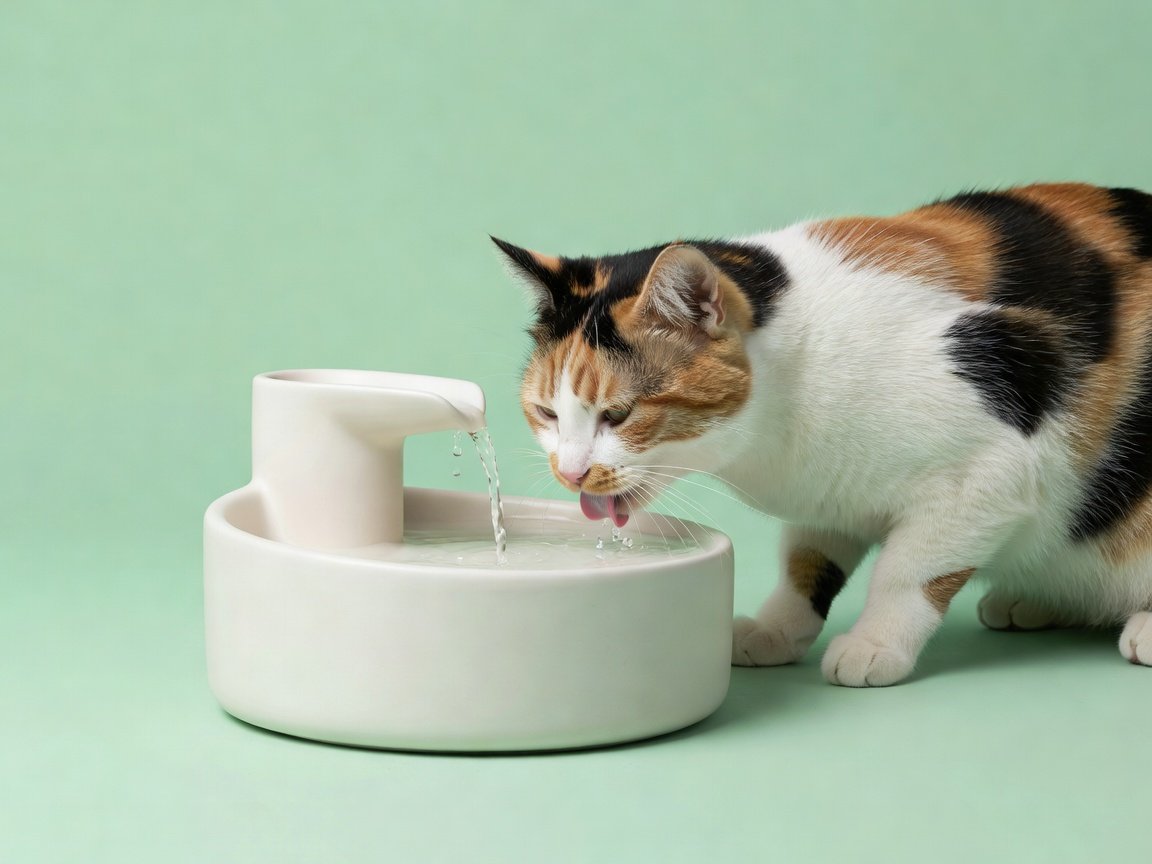
Cats evolved from desert-adapted ancestors and tend to drink less than they need, especially on dry food. Many owners notice their cat ignoring a still bowl but pawing at a dripping tap. That curiosity about moving water is why fountains are popular, and why the right one can make a real difference to daily water intake.
A fountain is not a cure-all, though. A dirty one is worse than a clean bowl, and a loud one may send a sensitive cat straight back to the bathroom sink.
We built this list through research rather than hands-on testing. Our criteria were material safety and ease of cleaning, how simple the parts are to take apart, noise reports from owners, filter availability, flow style, and how well each design suits different households. We also weighed how widely each product is known and sold. Below you will find five well-known fountains, a buying guide, a material comparison, a hydration and kidney health section, and a cleaning routine.
Our top picks at a glance
| # | Product | Why we like it | |
|---|---|---|---|
| 1 | PetSafe Drinkwell 360 Stainless Steel Pet Fountain Best Overall | The Drinkwell 360 uses a stainless steel body and an open design with a free-falling stream, so cats can drink from the bowl edge or the flowing water. | View |
| 2 | Pioneer Pet Raindrop Ceramic Drinking Fountain Best Ceramic | Pioneer Pet's Raindrop is a ceramic fountain with a gentle, trickling stream that many cats find inviting. | View |
| 3 | Veken Automatic Pet Water Fountain Best Budget | The Veken is a widely sold plastic fountain that offers a quiet-running pump, a filter system and a large reservoir at a modest price. | View |
| 4 | Catit Flower Fountain Best for Small Spaces | The Catit Flower Fountain is a compact plastic fountain with a petal-shaped top and adjustable flow options. | View |
| 5 | Pioneer Pet Stainless Steel Raindrop Fountain Best for Easy Cleaning | This stainless steel version of the Raindrop pairs a durable metal bowl with a simple trickling spout. | View |
Product reviews
PetSafe Drinkwell 360 Stainless Steel Pet Fountain
Best OverallThe Drinkwell 360 uses a stainless steel body and an open design with a free-falling stream, so cats can drink from the bowl edge or the flowing water. Stainless is non-porous and generally easy to sanitize, which suits owners who want a simple, repeatable cleaning routine. The open layout also lets whiskered cats drink without cramming their faces into a narrow space. It is a sensible default for single and multi-cat homes.
PROS
- Stainless steel resists scratches that can harbor bacteria
- Open design works well for cats sensitive about their whiskers
- Replacement filters are widely sold
- Suits multi-cat households
CONS
- Wide footprint takes up floor space
- Pump hum may bother very noise-sensitive cats
- Needs regular water top-ups when cats drink heavily
Pioneer Pet Raindrop Ceramic Drinking Fountain
Best CeramicPioneer Pet's Raindrop is a ceramic fountain with a gentle, trickling stream that many cats find inviting. Glazed ceramic feels solid, resists scratching, and is often chosen by owners wary of plastic. It is heavier than plastic models, so it is less likely to be pushed around by an enthusiastic drinker. Check the glaze for chips over time, since damaged ceramic can trap residue and should be replaced.
PROS
- Glazed ceramic is smooth and sturdy
- Heavy base stays put on the floor
- Attractive enough to leave out in living areas
- Easy to wipe down when the glaze is intact
CONS
- Breakable if dropped
- Heavier to carry to the sink
- Chipped glaze means it should be retired
Veken Automatic Pet Water Fountain
Best BudgetThe Veken is a widely sold plastic fountain that offers a quiet-running pump, a filter system and a large reservoir at a modest price. It is a practical entry point if you are not sure your cat will take to running water. Plastic can scratch and hold biofilm if neglected, so pair it with frequent washing, and consider replacing it if the surface becomes badly scuffed.
PROS
- Budget-friendly way to trial a fountain
- Lightweight and easy to move and refill
- Multiple replacement filters are easy to find
- Parts disassemble for washing
CONS
- Plastic can scratch and hold odor over time
- Lighter build may shift when cats bump it
- Needs diligent cleaning to stay hygienic
Catit Flower Fountain
Best for Small SpacesThe Catit Flower Fountain is a compact plastic fountain with a petal-shaped top and adjustable flow options. Cats can drink from the bubbling flower or the shallow bowl rim, which suits kittens and seniors who like gentler water. Its smaller footprint fits apartments and shelves near feeding stations. The plastic parts and tight corners need consistent cleaning, but the design is familiar and easy to source.
PROS
- Compact footprint for smaller homes
- Flower top offers different flow styles
- Easy to find replacement filters
- Gentle water movement suits timid cats
CONS
- Plastic requires frequent scrubbing
- Smaller reservoir may need more frequent refills
- Crevices around the pump can collect film
Pioneer Pet Stainless Steel Raindrop Fountain
Best for Easy CleaningThis stainless steel version of the Raindrop pairs a durable metal bowl with a simple trickling spout. Stainless steel is non-porous and tolerates hot, soapy washing well, so it appeals to owners who put cleanliness first. The classic design keeps the parts list short, which means fewer places for gunk to hide. It is a good fit for cats with chin sensitivities, and for anyone replacing a scratched plastic fountain.
PROS
- Non-porous stainless surface
- Simple design with fewer hidden crevices
- Durable and unlikely to crack
- Good option for cats prone to chin irritation
CONS
- Can be noisier on hard floors if not seated well
- Metal may show water spots
- Filter and pump parts still need regular replacement
How to choose the best cat water fountain
A fountain only helps if your cat uses it and you keep it clean. Those two facts should drive every decision.
Start with cleaning
Look at how many parts the fountain has. Every extra piece is another place for slime to build up. The best designs come apart in under a minute and have smooth surfaces you can scrub by hand. If you cannot reach the pump housing with a small brush, expect trouble.
Match capacity to your household
A bigger reservoir means fewer refills, which matters if you travel or have several cats. But a large fountain in a small flat can dominate a room. One cat in an apartment may be happy with a compact model. Three cats need either a larger unit or multiple fountains in different spots.
Think about noise
Cats hear far higher frequencies than we do, so a pump that sounds quiet to you might still annoy them. Low water levels also make pumps louder. Keep the reservoir topped up and watch your cat's behavior in the first few days.
Consider flow style
Some cats love a bubbling stream. Others prefer a shallow, still edge. Open designs like the Drinkwell 360 give a choice. If your cat is new to fountains, an adjustable flow or a combination bowl can ease the transition.
Check filters and replacement parts
Charcoal filters help reduce particles and odor, but they are not a substitute for washing. Make sure replacement filters and pumps are easy to find before you buy, because a discontinued part turns a fountain into clutter.
Placement and power
Place the fountain away from the litter box and, ideally, a little apart from the food bowl, since many cats prefer water in a separate spot. Use the cord guard that comes with the unit or route the cable out of reach, because chewing cords is a genuine hazard for curious kittens.
Ceramic vs stainless steel vs plastic
Material affects hygiene, durability and how your cat feels while drinking. None is perfect, so the right choice depends on your habits.
Stainless steel
Stainless steel is non-porous, resists scratches better than plastic, and tolerates hot water and dish soap well. That makes it a favorite for people who want an easy cleaning routine. Downsides include a metallic look, visible water spots, and sometimes more noise if the pump vibrates against a thin metal body. Choose a model with a stable base and check that any rubber feet stay in place.
Ceramic
Glazed ceramic is smooth, heavy and stable. It tends to be quiet and does not scratch easily. It is also pleasant to look at, which matters if the fountain lives in your living room. The risks are chips and cracks. Damaged glaze can trap residue and bacteria, so retire a ceramic fountain if the surface is compromised. It is also heavier to wash and easier to break if dropped.
Plastic
Plastic is lightweight, affordable and widely available. Many popular fountains are plastic, and plenty of cats drink from them happily. The catch is that plastic can develop tiny scratches over time, and those can hold biofilm. Some cats also develop chin irritation, often called feline acne, and owners commonly switch to stainless or ceramic when that happens. If you buy plastic, look for products marketed as BPA-free and replace the fountain when the surface looks scuffed or cloudy.
Which should you pick?
- Want the easiest cleaning: stainless steel
- Want a heavy, quiet, good-looking option: ceramic
- On a tight budget or testing the idea: plastic, with strict cleaning
- Cat with chin acne: stainless or ceramic, and ask your vet
Whatever you choose, the most important factor is consistency. A clean plastic fountain beats a neglected ceramic one every time.
Hydration and kidney health: what a fountain can and cannot do
Cats on dry food get much less moisture than cats eating wet food, and many do not compensate by drinking enough. Low water intake is often discussed in connection with urinary and kidney health, which is why owners look to fountains as a gentle way to encourage drinking.
What a fountain can do
Moving water appeals to many cats. Some drink more simply because it is novel, fresh and aerated. A fountain also keeps water circulating and filtered, which can make it more appealing than a bowl that sits all day. For some cats that means more frequent sips, though results vary from cat to cat and there are no guarantees.
What it cannot do
A fountain does not treat or prevent kidney disease. Chronic kidney disease is common in older cats, and diagnosis requires veterinary testing. If your cat is middle-aged or senior, regular checkups and bloodwork are the best protection, not a gadget.
Other ways to support hydration
- Offer wet food, which contains far more moisture than kibble
- Place several water sources around the home
- Use wide, shallow bowls if whiskers seem sensitive
- Keep water fresh and away from litter boxes
- Try adding a splash of water to wet food, if your vet agrees
Know the warning signs
Talk to your vet if your cat suddenly drinks much more than usual, urinates large amounts, loses weight, vomits, or seems lethargic. Increased thirst is a symptom, not a good sign of a healthy fountain.
Emergency: if your cat, especially a male, strains in the litter box, produces little or no urine, cries while trying to pee, or seems painful and restless, contact a vet or emergency clinic immediately. A urinary blockage can become life-threatening within a short time and cannot wait for a fountain to help.
Use the fountain as one part of a bigger plan: diet, vet visits and observation of your cat's habits.
Common mistakes and a simple cleaning routine
Most fountain problems come from care, not the product itself. Avoid these mistakes and your cat is more likely to keep drinking.
Common mistakes
- Skipping cleaning. Slime on the reservoir and pump is a sign that bacteria are thriving. Cats can smell it long before you see it.
- Letting the water run low. Pumps run louder and can overheat when starved of water. Top up daily.
- Never replacing filters. Old filters stop doing their job and can foul the water.
- Putting it next to the litter box. Many cats avoid drinking near where they eliminate.
- Removing the old bowl too fast. Keep a regular bowl out for a week or two while your cat adapts.
- Ignoring wear. Scratched plastic or chipped ceramic should be replaced.
A practical cleaning routine
Daily: top up with fresh water and check that the pump is running smoothly.
Weekly: unplug the unit, take everything apart, and wash all parts with warm water and mild, unscented dish soap. Use a small bottle brush or old toothbrush on the pump and spout. Rinse thoroughly so no soap residue remains. Many ceramic and stainless parts may be dishwasher safe, but check the manufacturer's guidance first.
Every two to four weeks: replace the filter according to the instructions, and inspect the pump for mineral buildup. If you have hard water, a gentle soak in diluted white vinegar followed by a thorough rinse can help remove scale.
Helping your cat switch
Place the fountain near the old bowl, let it run, and be patient. Some cats take a day, some take weeks. If your cat ignores it, try a different spot, a different flow, or a different material before giving up. Not every cat wants running water, and that is fine as long as they drink well from a bowl.
Frequently asked questions
Do cats really drink more from a fountain?
Many cats do, because moving water is appealing and stays fresher, but it is not guaranteed. Some cats ignore fountains entirely. Watch your cat's habits for a few weeks, and keep a regular bowl available. If you are worried about intake, ask your vet.
Is ceramic, stainless steel or plastic best for a cat water fountain?
Stainless steel and ceramic are usually favored because they resist scratches and are easy to sanitize. Plastic works for many households but can hold biofilm when scratched. The best material is one you will clean regularly and that your cat accepts.
How often should I clean a cat water fountain?
Top up water daily and do a full disassembly and wash about once a week, using warm water and mild soap. Replace filters as the manufacturer recommends. Hard water or multiple cats may mean cleaning more often.
Can a water fountain prevent kidney disease in cats?
No. A fountain may encourage drinking, but it does not prevent or treat kidney disease. Regular vet checkups, bloodwork for older cats, and moisture-rich food are better steps. See a vet if your cat is drinking or urinating much more than usual.
Why won't my cat use the fountain?
Common reasons include noise, a flow that feels unfamiliar, a spot near the litter box, or simply novelty. Try moving it, lowering the flow, or leaving the old bowl out during the transition. Give it a couple of weeks before switching designs.