Some links on this page are affiliate links. If you buy through them we may earn a commission at no extra cost to you. How we make money.
The FURminator Undercoat deShedding Tool for Cats is our top pick for most owners dealing with heavy shedding, especially cats with dense or double coats. If your cat is short-haired, sensitive or hates being brushed, start with the KONG Cat Zoom Groom or a grooming glove.
Key takeaways
- Match the brush to the coat: rubber tools or gloves for short coats, slicker brushes and combs for long coats, and undercoat tools for dense double coats.
- A tool your cat tolerates beats a stronger one they resist, so start gentle and build up.
- Regular brushing removes loose fur before it is swallowed and can help reduce hairballs, but it does not replace veterinary care.
- Use light pressure and short sessions, and avoid overusing deshedding blades.
- See a vet for bald patches, skin irritation, sudden heavy shedding, or repeated unproductive retching, and treat the latter with lethargy or appetite loss as urgent.
Shedding is normal, but a cat who sheds heavily can leave fur on every surface and swallow a lot of it during self-grooming. That swallowed hair is a common reason for hairballs, so removing loose fur before your cat does it for them is one of the simplest ways to keep both your home and your cat more comfortable.
The tricky part is that no single brush suits every coat. A tool that works beautifully on a dense double coat can be harsh on a fine, short coat, and a cat who bites at a metal comb may happily accept a rubber one.
We chose these picks through research, not hands-on testing. Our criteria were:
- How well the design suits shedding specifically
- Suitability for different coat lengths
- Comfort and skin safety
- Ease of cleaning
- Whether the brand and product are widely available and well established
We also note who each tool suits, so you can match it to your cat.
Our top picks at a glance
| # | Product | Why we like it | |
|---|---|---|---|
| 1 | FURminator Undercoat deShedding Tool for Cats Best Overall | The FURminator is the tool many groomers and owners reach for when shedding gets heavy. | View |
| 2 | KONG Cat Zoom Groom Brush Best for Short Coats and Sensitive Cats | This flexible rubber brush uses soft nubs to grab loose hair as you massage your cat, which makes it feel more like petting than grooming. | View |
| 3 | Hertzko Self Cleaning Slicker Brush Best Budget Pick | A self-cleaning slicker brush is a practical choice for medium and long coats that tangle as they shed. | View |
| 4 | Hands On Grooming Gloves Best for Cats Who Hate Brushes | Grooming gloves let you remove loose hair while you stroke your cat, so the session looks and feels like a normal cuddle. | View |
| 5 | Andis Pet Steel Comb Best Finishing Comb for Long Coats | A good steel comb is the check that tells you whether a brush has done its job. | View |
Product reviews
FURminator Undercoat deShedding Tool for Cats
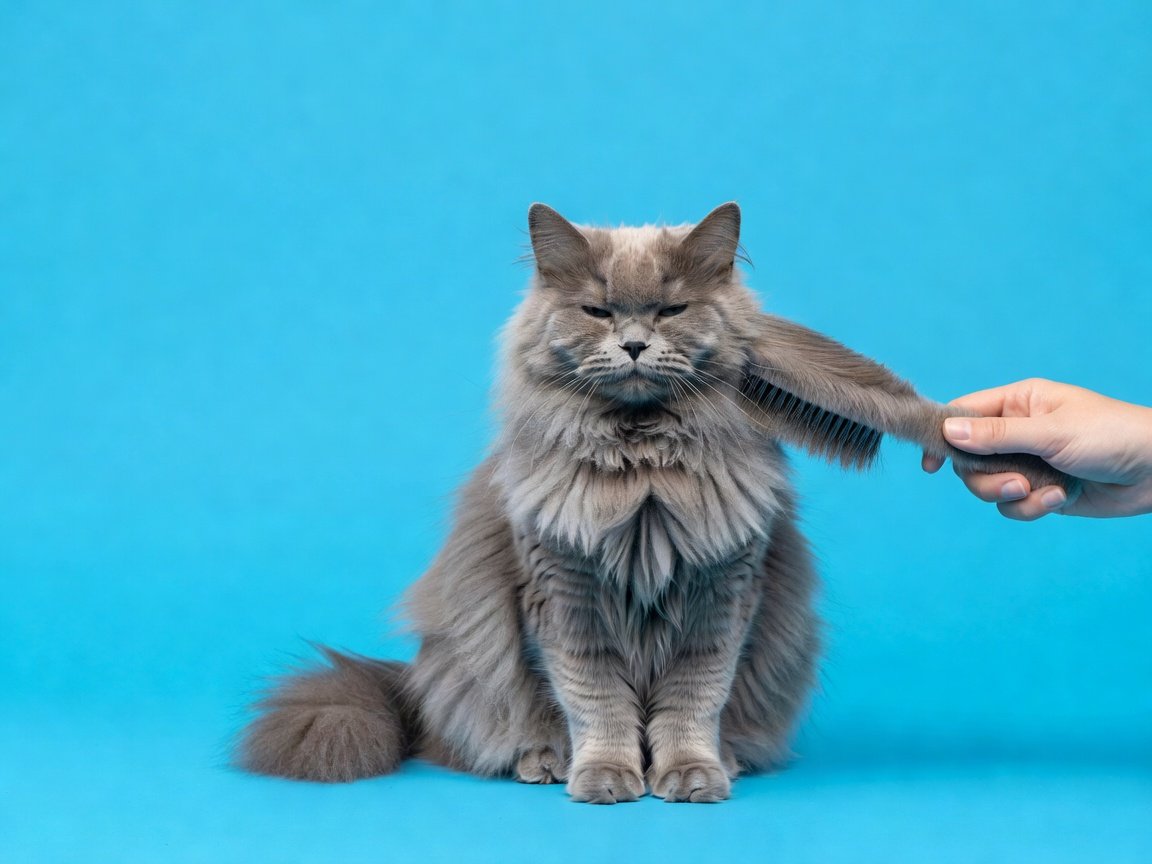
Best OverallThe FURminator is the tool many groomers and owners reach for when shedding gets heavy. Its fine-toothed stainless steel edge is designed to reach through the topcoat and lift loose undercoat before it ends up on your sofa. It comes in versions for short and long hair, so choose the one that matches your cat's coat. Use light pressure and short sessions, because overuse can irritate skin. Many versions include a button that ejects collected fur for quick cleanup.
PROS
- Designed specifically to remove loose undercoat
- Separate versions for short and long hair
- Comfortable handle for longer sessions
- Can noticeably reduce loose fur around the home
CONS
- Easy to overuse, which can irritate skin or thin the coat
- Not suited to matted fur or cats with very sparse coats
- Costs more than basic brushes
KONG Cat Zoom Groom Brush
Best for Short Coats and Sensitive CatsThis flexible rubber brush uses soft nubs to grab loose hair as you massage your cat, which makes it feel more like petting than grooming. That matters for cats who dislike combs or metal tools. It suits short and medium coats well and is easy to rinse clean under running water. Because it is gentle, it is a sensible starting point for nervous cats and for owners who want a low-risk tool for frequent, short grooming sessions.
PROS
- Soft rubber is gentle on skin
- Often accepted by cats who dislike metal brushes
- Simple to rinse and dry
- Good for regular, short sessions
CONS
- Less effective on dense undercoat or long fur
- Will not detangle mats
- Fur can cling to the rubber and need picking off
Hertzko Self Cleaning Slicker Brush
Best Budget PickA self-cleaning slicker brush is a practical choice for medium and long coats that tangle as they shed. Fine bent pins work through the coat to lift loose fur, and a push-button retracts the bristles so the collected hair slides off in one clump. It is typically priced lower than specialty deshedding tools, which makes it a good entry-level option. Brush gently and keep the pins moving along the coat, since pressing hard on bony areas can scratch skin.
PROS
- Retracting pins make cleanup fast
- Helps with light tangles and loose fur
- Usually an affordable option
- Works across several coat lengths
CONS
- Pins can feel scratchy if used with too much pressure
- Reaches less undercoat than a dedicated deshedding blade
- Not ideal for very sensitive cats
Hands On Grooming Gloves
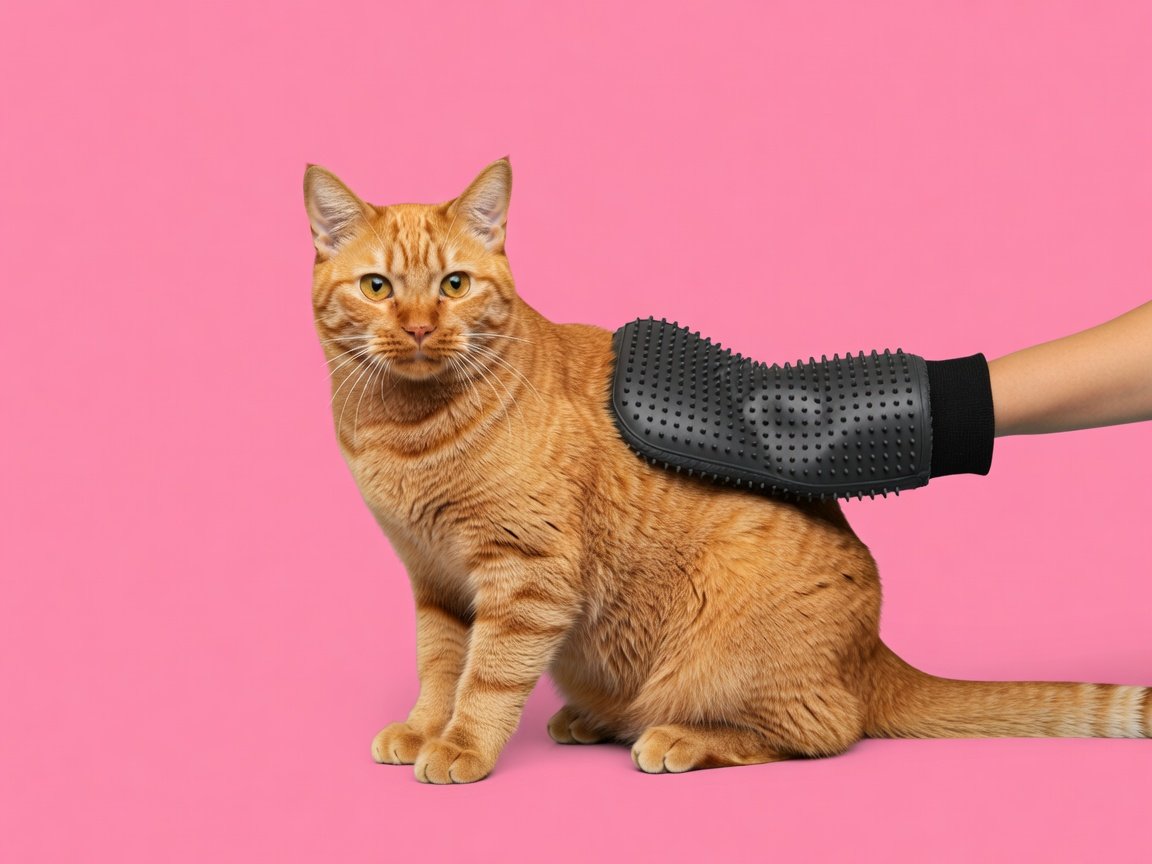
Best for Cats Who Hate BrushesGrooming gloves let you remove loose hair while you stroke your cat, so the session looks and feels like a normal cuddle. Textured nubs on the palm and fingers collect fur, and you can use both hands to cover more area quickly. They are a good fit for short-haired cats, nervous cats and kittens being introduced to handling. Gloves are not the strongest option for heavy undercoat, but they work well as a daily maintenance tool or a warm-up before a brush.
PROS
- Feels like petting, so cats often tolerate it
- Covers a lot of surface quickly
- Easy to introduce to kittens and shy cats
- Washable and reusable
CONS
- Less thorough on thick double coats
- Fit varies depending on hand size
- Fur can build up in the nubs between uses
Andis Pet Steel Comb
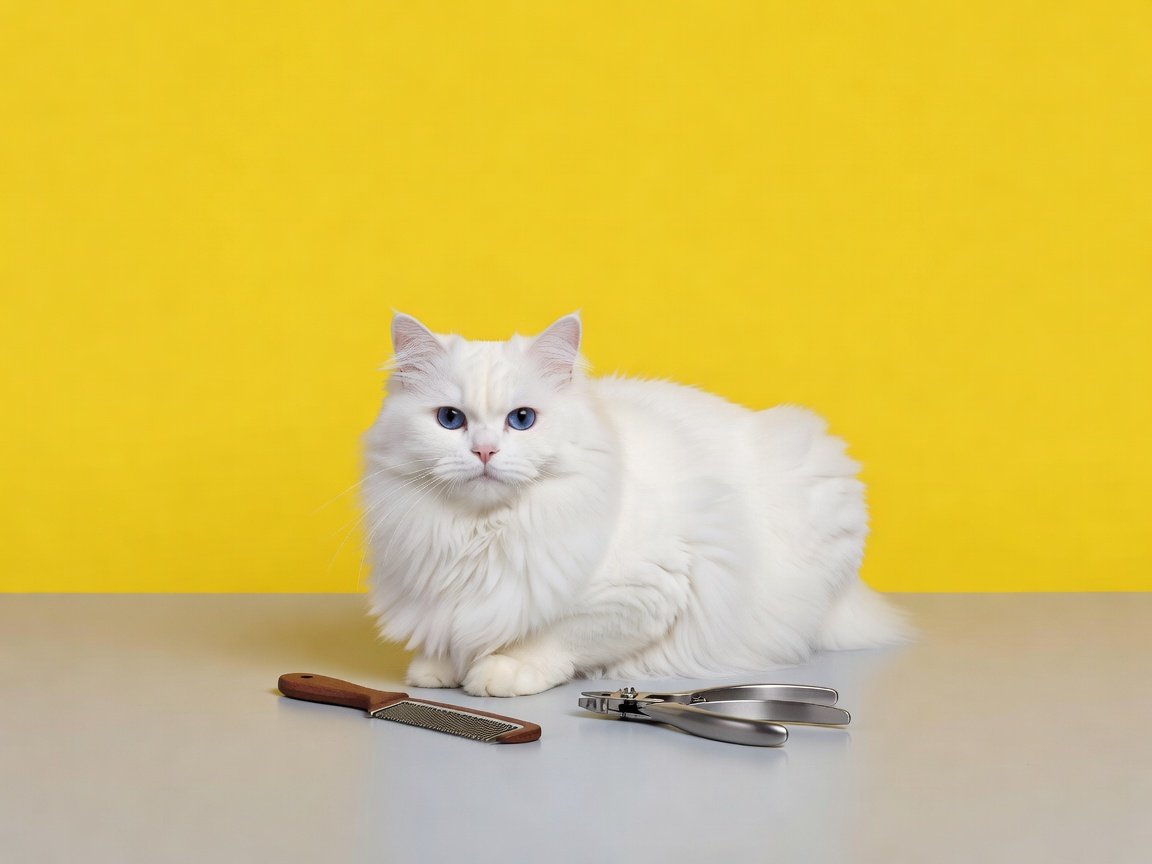
Best Finishing Comb for Long CoatsA good steel comb is the check that tells you whether a brush has done its job. Run it through long or semi-long coats after brushing to find tangles behind the ears, under the legs and near the tail base before they become mats. The metal teeth glide through a clean coat but catch on knots, so you know exactly where to work. It will not remove as much loose fur as a deshedding tool, so use it alongside one.
PROS
- Quickly reveals hidden tangles
- Durable metal construction
- Useful for fine work around the face and legs
- Pairs well with any deshedding tool
CONS
- Not a standalone deshedding solution
- Can pull if used on matted fur
- Requires a patient, gentle hand
How to Choose the Best Cat Brush for Shedding
Start with your cat's coat, because that decides which tool will actually work.
Short, smooth coats
Most domestic shorthairs do well with a rubber brush or grooming glove. These lift loose hair from the surface without much risk of scraping skin. A deshedding tool can help in peak season, but use it sparingly.
Dense or double coats
Breeds and mixes with a plush undercoat, such as many Maine Coons, Norwegian Forest Cats and thick-coated domestic cats, often benefit from an undercoat tool. This kind of tool reaches below the guard hairs, where much of the loose fur is trapped.
Long, silky coats
Persians, Ragdolls and similar cats tangle easily. A slicker brush for loose hair and a steel comb to check for knots is a classic pairing.
Consider temperament
A brush your cat accepts is better than a stronger tool they fight. If your cat runs from brushes, begin with a glove or soft rubber brush and build up from there.
Other features worth weighing
- Cleanup: Self-cleaning or rinsable designs save time, especially during heavy shedding.
- Handle comfort: You will use it often, so a grip that suits your hand matters.
- Skin safety: Look for rounded tips on pins and avoid tools with sharp or rough edges if your cat has delicate skin.
- Size: Smaller heads are easier around legs, face and tail.
If you are unsure, a two-tool setup works for most homes: a gentle option for daily use and a stronger one for weekly deep sessions during heavy shedding.
Seasonal Shedding, Hairballs and What Is Normal
Many cats shed all year but have heavier periods, often in spring and autumn as daylight changes. Indoor cats under artificial light can shed more evenly across the year, so do not be surprised if your apartment cat never seems to have a quiet season.
The hairball connection
Cats swallow loose hair while grooming, and most of it passes through the digestive tract. Some collects in the stomach and is brought back up as a hairball. Brushing removes loose hair before it can be swallowed, which can help reduce how much your cat ingests. It is not a cure for every hairball problem, but it is one of the easiest parts of the solution you control.
When shedding is a signal
Heavier shedding is not always seasonal. Talk to your veterinarian if you notice:
- Bald patches or thinning areas
- Red, scabby or flaky skin
- Excessive licking or over-grooming
- Sudden changes in coat quality, such as dullness or greasiness
- Weight loss, appetite changes or other behavior shifts alongside the shedding
Parasites, allergies, stress, diet and underlying illness can all affect the coat, and only a vet can sort out which is involved.
Hairball warning signs
Occasional hairballs can be normal for some cats. Frequent hairballs, or any of the following, deserve a vet visit:
- Repeated retching with nothing coming up
- Loss of appetite or lethargy
- Constipation or straining in the litter box
- Vomiting that keeps happening
Treat repeated unproductive retching combined with lethargy, a swollen belly or refusal to eat as urgent and contact a vet or emergency clinic promptly, because it can point to a blockage or another serious problem.
Common Mistakes When Brushing a Shedding Cat
Even the best cat brush for shedding can cause problems if it is used the wrong way. These are the mistakes that come up most often.
Pressing too hard
Deshedding tools work by pulling loose hair, not by scraping skin. Heavy pressure can cause irritation, and it teaches your cat to dread the brush. Let the tool glide and stop if the skin looks pink.
Brushing for too long
A long session is not better. Five minutes of calm brushing beats twenty minutes of struggling. Stop while your cat is still tolerating it so the next session starts on a good note.
Overusing undercoat tools
Some owners use a deshedding blade daily because it removes so much fur. That can be too much for many coats. Follow the product's guidance and ease off if you see thinning, redness or your cat flinching.
Ignoring mats
Mats pull on skin and can be painful. Do not try to rip them out with a deshedding tool, and be very careful about scissors, because cat skin is thin and easily cut. Ask a groomer or vet for help with tight mats.
Skipping sensitive spots
Belly, armpits, tail base and the backs of the legs are sensitive for many cats, and they are also where tangles form. Go slowly in these areas, or leave them and use a comb instead.
Using the wrong tool for the coat
A tool that is too aggressive for a fine coat, or too gentle for a dense one, will frustrate both of you. If results seem poor, change the tool before assuming your cat cannot be groomed.
Forgetting to clean the tool
Built-up fur reduces effectiveness and can hold dander. Clear it after every session.
A Simple Brushing Routine That Cats Accept
A routine takes the stress out of grooming and makes shedding season manageable.
Pick the right moment
Choose a time when your cat is relaxed, such as after a meal or a play session. Avoid brushing when they are wound up or sleepy and grumpy.
Start with the easy zones
Begin on the back and shoulders, where most cats enjoy contact. Brush in the direction of hair growth with slow, light strokes. Gradually add the sides, chest and legs over several sessions.
Use rewards
Offer a small treat or a favorite lick-able snack between sections. Many cats come to associate the brush with something pleasant when the pairing is consistent.
A sample weekly plan
- Daily (2 to 3 minutes): Use a glove or rubber brush for a quick pass during peak shedding.
- Two or three times a week: Use a slicker brush on medium and long coats.
- Once a week: Use an undercoat tool on dense coats, following the manufacturer's directions, then finish with a steel comb.
Short-haired cats in a quiet season may need only a weekly session.
Reduce fur around the house
Brush in a spot that is easy to clean, such as a bathroom or on a towel. Wash bedding regularly and keep a lint roller or rubber squeegee handy for upholstery.
Support the coat from the inside
A complete, balanced diet and fresh water support healthy skin and fur. If you suspect diet is affecting the coat, ask your vet before making changes or adding supplements.
Know when to get help
If your cat bites, panics or the coat is badly matted, a professional groomer or your vet can help safely.
Frequently asked questions
What is the best brush for a cat that sheds a lot?
For heavy shedding, many owners start with an undercoat tool like the FURminator, particularly for dense coats. Short-haired or sensitive cats often do better with a rubber brush or glove. The best choice depends on coat type and how well your cat tolerates grooming, so match the tool to both.
How often should I brush a shedding cat?
Short-haired cats usually do well with a few sessions a week, and daily brief sessions during heavy shedding. Long-haired cats often need brushing most days to prevent tangles. Keep sessions short and pleasant, and ease off if you see redness or your cat becomes distressed.
Does brushing really reduce hairballs?
It can help. Brushing removes loose fur your cat would otherwise swallow while grooming, which may reduce how much hair collects in the stomach. It will not prevent every hairball, so talk to your vet if hairballs are frequent or your cat retches without producing anything.
Are deshedding tools safe for cats?
They are generally safe when used gently, sparingly and on the right coat type. Pressing hard or brushing too often can irritate skin or thin the coat. Avoid using them on mats, broken skin or very sparse coats, and check with your vet if you are unsure.
Why is my cat suddenly shedding more than usual?
Seasonal changes are a common cause, but stress, diet, parasites, allergies, skin problems and underlying illness can also increase shedding. If the change is sudden or comes with bald patches, itching, scabs or behavior changes, schedule a veterinary visit for a proper diagnosis.